Teaching Courage: Why Silence in Sports Echoes Beyond the Rink
It doesn't require elaborate speeches or formal presentations to establish a team's core values. Sometimes, the most profound lessons emerge during a simple three-minute conversation at the start of practice.
The Bystander Effect in Youth Hockey
Recently, our coaching staff at Hockey Sud-Ouest engaged young players in a discussion about the bystander effect—the powerful human tendency to remain silent when witnessing wrongdoing, particularly when we are not the direct targets. This conversation was prompted by two significant events that highlight a troubling pattern in sports culture.
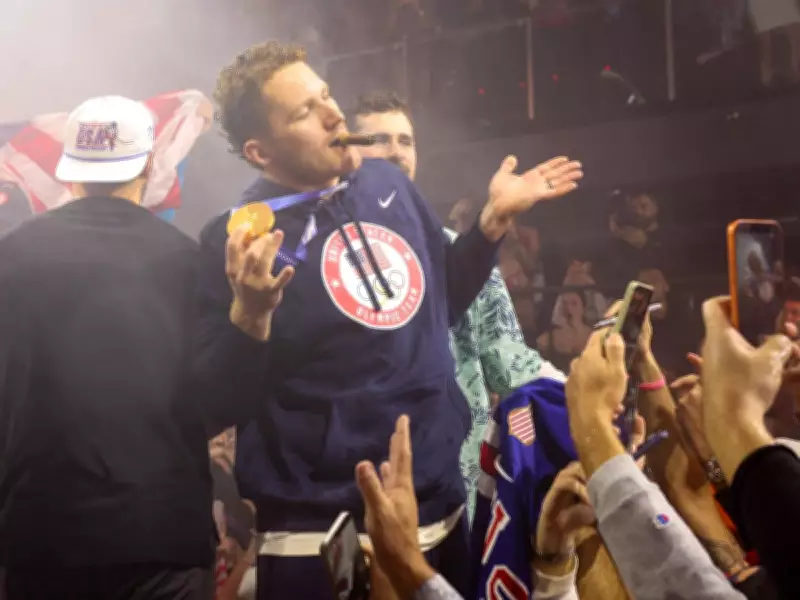
In the United States, members of the men's Olympic hockey team were observed laughing along with a joke made by former President Donald Trump that undermined the women's national team. When faced with criticism, several players responded defensively rather than acknowledging the issue and committing to improvement.

Closer to home, Hockey Canada continues to document alarming incidents of racist, homophobic, and sexist language within minor hockey programs. Their 2024-25 report documented 1,494 penalized incidents during games that season by on-ice referees alone—with 243 occurring in Quebec, which recently launched an online platform for reporting discrimination. These numbers represent only reported incidents, with many more going unheard and unaddressed.
The Psychology of Silence
When demeaning comments target women, racialized or Indigenous players, or sexual minorities, the easiest position is often silence. This is especially true when the comment isn't aimed at you, when speaking up risks social friction, or when you're surrounded by teammates or standing beside someone powerful.
Social psychology describes this phenomenon as diffusion of responsibility. When others are present, we assume someone else will intervene. When laughter begins, we often join in—not necessarily because we agree, but because the human need for belonging is powerful.
This is precisely why we must teach children about this dynamic, particularly boys and non-racialized boys who may not experience direct targeting but witness it regularly.
Practical Lessons for Young Athletes
During practice, we told our 13-14-year-old players something straightforward: It's not enough to avoid saying offensive things yourself. It's not sufficient to feel privately uncomfortable. If you hear discriminatory language, you must say something—just enough to make it clear: "We don't do that here." Then immediately report it to a coach or referee.
More importantly, you're speaking for the teammate who was targeted, whether they heard the comment or not. You're sending a crucial signal: I see it. I stand with you.
What struck me was how readily these young athletes understood. There was no teenage eye-rolling, no pushback—just quiet recognition of this important responsibility.
We then had the same conversation with our 9-10-year-old competitive select team. Hockey Canada's report shows that while discriminatory incidents spike during teenage years, they begin as early as the 9-12 age groups, with 108 documented incidents, occurring more frequently in competitive divisions.
We used simpler language with the younger group, discussing:
- Sticking up for teammates
- The discomfort of being the only one not laughing
- How courage grows with practice
Why This Matters Beyond Sports
Values aren't tested when compliance is easy. If we don't name and reinforce positive values explicitly, the loudest voice in the room—often a bullying one—will define the norm.
If we want young people to interrupt harmful behavior, we must:
- Rehearse this expectation explicitly
- Normalize the awkwardness of speaking up
- Model what it looks like to own mistakes rather than becoming defensive
- Demonstrate speaking even when unsure of the perfect words
In sports, we drill the smallest technical habits relentlessly—skating technique, defensive coverage, stick positioning. We understand that performance under pressure depends on repetition of fundamental skills.

Why would we assume courage operates differently? These lessons in speaking up against discrimination will matter long after hockey careers end, shaping how these young people navigate classrooms, workplaces, and communities.
Michael MacKenzie is the Canada Research Chair in child well-being and professor of social work and pediatrics at McGill University.