Sudbury Hockey Coach Advocates for Tourniquets After Terrifying Skate Blade Incident
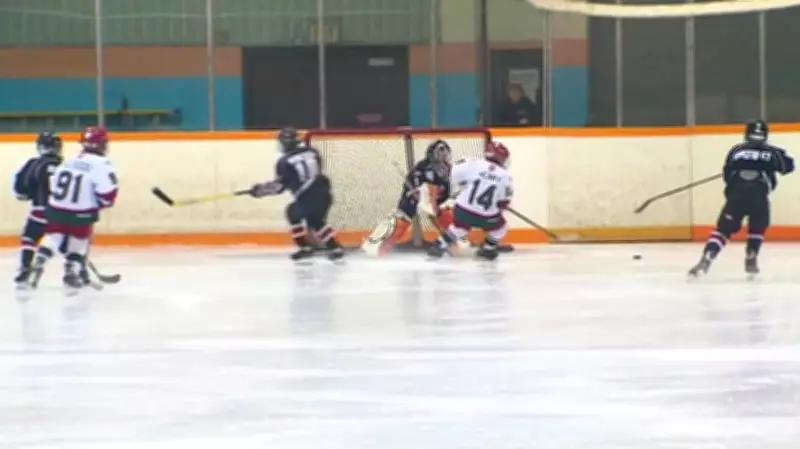
In a compelling call to action, Dale Recollet, a hockey coach from Sudbury, Ontario, is pushing for tourniquets to be included in all trainers' first aid kits. This urgent plea follows a harrowing incident where Recollet, drawing on his background as a former first responder, assisted a young player who suffered a severe laceration from a skate blade during a game.
A Critical Need for Enhanced Safety Measures
The incident, which occurred recently, highlighted a significant gap in standard hockey safety protocols. Recollet emphasized that while basic first aid supplies are typically available, tourniquets—a crucial tool for controlling life-threatening bleeding—are often absent. "In moments like these, every second counts," Recollet stated. "Having a tourniquet on hand could mean the difference between a manageable injury and a catastrophic outcome."
Recollet's experience underscores the unpredictable nature of sports injuries, particularly in fast-paced games like hockey where sharp skate blades pose a constant risk. He noted that such accidents, though rare, can escalate quickly without proper equipment. His advocacy is rooted in practical knowledge, as he successfully used improvised methods to stem the bleeding until emergency services arrived, but he stresses that dedicated tourniquets are far more effective and reliable.

Broader Implications for Youth Sports Safety
This case has sparked discussions among local sports organizations and health professionals about updating safety standards. Many are now considering Recollet's recommendations, which include:
- Mandating tourniquets in all hockey trainers' kits across Ontario.
- Providing specialized training for coaches and staff on how to use them properly.
- Raising awareness about the importance of rapid response to severe injuries in athletic settings.
Recollet's efforts align with a growing trend in sports medicine to prioritize preparedness for emergencies. Experts point out that tourniquets have become more user-friendly and are endorsed by organizations like the American Heart Association for controlling bleeding in traumatic situations. By integrating them into hockey, communities can better protect young athletes and reduce the risk of long-term harm.
As this story gains attention, it serves as a reminder of the vital role that coaches and volunteers play in ensuring player safety. Recollet hopes his advocacy will lead to tangible changes, making hockey a safer sport for all participants. "We owe it to our kids to be as prepared as possible," he concluded. "It's not just about winning games—it's about keeping everyone safe on the ice."