Edmonton's Youth Sports Infrastructure Under Severe Strain
As youth sports participation experiences a significant resurgence across Edmonton, the city's recreational facilities are struggling to accommodate the growing demand. This situation creates a critical challenge for minor sports organizations that already face limited access to playing spaces.
The Registration Boom and Facility Shortfall
Recent data reveals a substantial increase in youth sports registrations nationwide. Canada Soccer's 2024 annual report documented 758,471 registered players across the country, representing an increase of approximately 20,000 participants from the previous year. In Alberta specifically, there were 81,477 registered soccer players.
Hockey Canada has recorded four consecutive years of player growth, with 603,000 registered players across the country during the 2024-2025 season. While these numbers haven't yet rebounded to the peak levels of the early 2010s, the upward trend indicates promising momentum for youth sports participation.

Changing Dynamics of Youth Sports
The nature of minor sports has evolved dramatically in recent years. Gone are the days when children would participate in a single weekly practice followed by a weekend game. Contemporary youth sports teams now typically practice multiple times each week, with games occurring more frequently throughout the season.
This intensified schedule creates dual pressures on facility availability: not only are more children participating in organized sports, but each team requires substantially more facility time than in previous generations.
Edmonton's Facility Crisis
Despite the planned opening of the Lewis Farms Facility and Park Project in 2028—which will feature two ice rinks, two gyms, a fitness center, and a 53-meter pool—Edmonton currently lacks sufficient facilities to meet existing demand. This new complex, along with similar facilities in the Meadows and Terwillegar areas, represents major recreation centers designed to serve Edmonton's expanding suburban population.
However, city officials indicate that the Lewis Farms project may be the last large recreation center funded by municipal budgets, as financial constraints limit future projects of similar scale.
Hockey's Ice Time Dilemma
Edmonton Minor Hockey currently pays more than $4 million annually to the city for approximately 24,000 hours of ice time, yet still requires additional access. "One of the biggest structural challenges we face in Edmonton is facility availability," explained Kylee Quinn, spokesperson for Hockey Edmonton. "Like many youth sports organizations across the city, minor hockey relies on access to city-owned recreation facilities. As participation has grown, the demand for ice time has increased faster than new facilities have been added."
Quinn emphasized that "demand for ice continues to exceed available capacity, which can make scheduling and access more difficult for associations and families."
Beyond Hockey: A Citywide Challenge
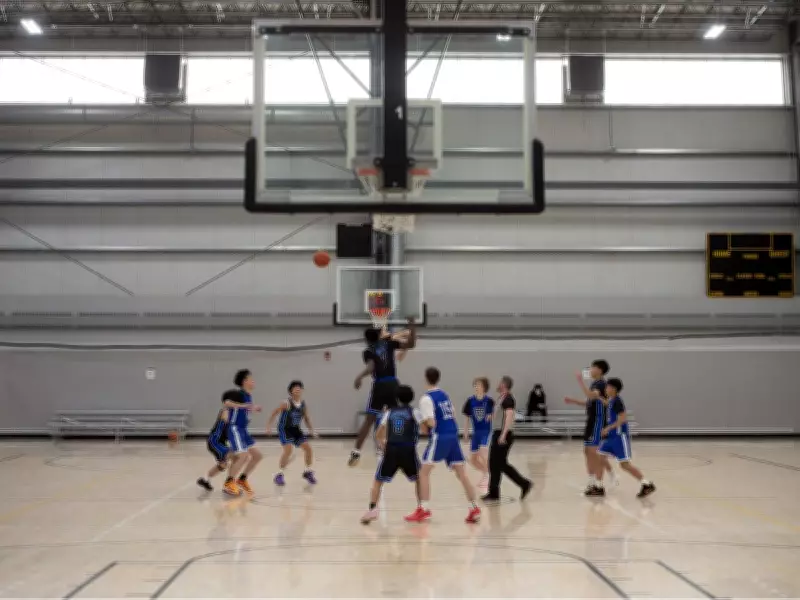
The facility shortage extends well beyond hockey. At the Saville Centre on weekends, finding parking proves nearly as challenging as securing a spot at West Edmonton Mall during the Christmas shopping rush. Basketball and volleyball courts operate at maximum capacity, with games following one another in rapid succession as players are quickly ushered off courts to accommodate the next scheduled match.
This comprehensive facility crunch affects numerous sports organizations throughout Edmonton, creating scheduling difficulties and limiting opportunities for youth participation despite growing interest in athletic activities.