The Rising Cost of Youth Sports in Edmonton: A Crisis for Families
As a parent watched their son complete his final season of minor rep baseball in Edmonton, a review of receipts revealed a staggering financial reality. Registration fees alone approached $2,000, but that was just the beginning. The family embarked on trips to Kamloops, Calgary, Red Deer, and even Montana for tournaments, accumulating hotel stays and travel expenses along the way.
The Equipment Burden
Then came the equipment costs. For players over 15, wood bats were mandated, mirroring major league standards. These bats, including the durable Baum Bats with wood-shell and foam-core composites, ranged from $300 to $400 each and were prone to breaking. Add batting gloves, fielding gloves, and cleats, and the total neared $1,000. By the season's end, expenses soared well over $10,000 for a single child's sport.
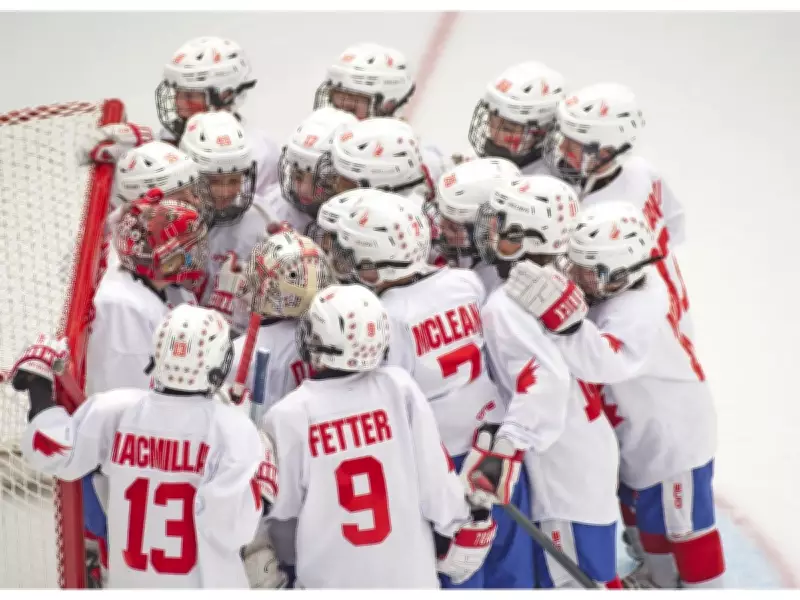
While this example represents a high-end scenario, it is not an outlier. Youth sports in Edmonton have become increasingly expensive, placing a heavy burden on families. In 2024, the Royal Bank of Canada released a report titled Where did My Money Go: The Financial Reality of Raising a Hockey Player in Canada, which found that the average Canadian family spends $4,478 annually to keep a child in hockey.

Beyond Registration Fees
Even soccer, often viewed as having lower barriers to entry, sees registration fees at clubs or academies in the city reaching four digits or close. Community sports leagues offer cheaper alternatives but lack the playing time, facilities, and coaching quality of more expensive options.
The financial strain extends beyond direct costs like fees, gear, and travel. Parents must take time off work for tournaments, such as those starting on Friday evenings in Red Deer, or navigate weekend practices that conflict with jobs in emergency services or the service industry. Minor sports schedules often assume parents work Monday to Friday with early evening availability, leading to weeknight practices as early as 5 p.m. and packed weekends.
Fundraising Efforts and Community Support
To bridge the gap, families resort to fundraising, selling cookies, organizing meat drives, and hosting pub-night events. Silent auctions with donations from local businesses are common, but bottle drives have become a staple. On frosty Saturdays, children canvass neighborhoods, bags in hand, only to find areas already picked over by other teams.
Charities provide some relief, but it is insufficient. For instance, a South Edmonton U-11 Tier 1 soccer team raised nearly $60,000 through a GoFundMe campaign to attend a tournament in Las Vegas, with plans to use leftover funds for registrations of children in need. Events like the Brick Invitational Hockey Tournaments at West Edmonton Mall's Ice Palace highlight community support, yet the underlying issue persists.
As parents rely on these efforts to keep their children active, advocates emphasize the need for alternatives to Canada's 'pay-to-play' model. With costs rising quickly and options limited, the squeeze on kids' sports in Edmonton calls for systemic changes to ensure accessibility for all families.