The Quebec government has distributed a new set of safety guidelines to schools across the province concerning the popular winter tradition of building snow hills for play. The directive, issued by the Ministry of Education, outlines recommended protocols but strongly encourages school administrators and staff to employ their own judgment and "common sense" when managing these seasonal play structures.
Balancing Safety with Winter Fun
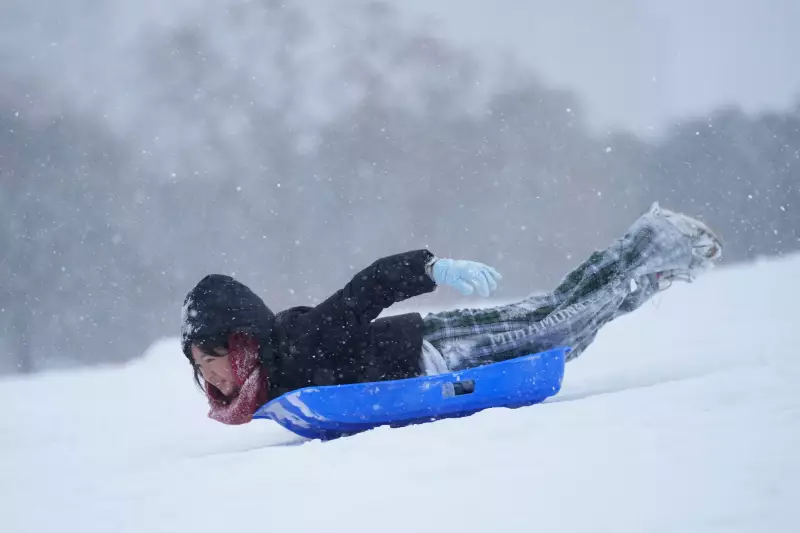
The guidelines arrive as schools prepare for another winter season, where mounds of plowed snow often become impromptu sledding and play areas on school grounds. The ministry's move formalizes advice for a common, yet potentially risky, activity. The core message is one of practical risk management, aiming to prevent injuries without outright banning a cherished element of Canadian childhood winter play.
While the specific details of the guideline document were not fully disclosed in the initial report, such protocols typically cover aspects like hill construction, recommended slopes, supervision levels, and the clearing of potential hazards at the bottom of slides. The issuance of formal guidelines indicates a proactive step by the ministry to address liability and safety concerns systematically.

The Crucial Role of Local Discretion
Perhaps the most notable aspect of the new directive is its explicit call for educators to use "common sense." This phrasing acknowledges that rigid rules cannot account for every variable on a schoolyard, from the specific snow conditions on a given day to the age and maturity of the students using the hill.
This approach places significant responsibility on individual school principals and playground supervisors. They are expected to interpret the guidelines flexibly, making real-time assessments based on their local environment and their knowledge of the children in their care. The ministry's stance suggests a preference for empowered, on-the-ground decision-making over a one-size-fits-all regulatory approach.
Context and Community Expectations
The development occurs within a broader societal context where safety regulations are continually evolving. Schools must navigate the dual expectations of providing active, joyful outdoor playtime—a key part of the school day, especially in winter—while fulfilling their duty of care to prevent accidents.
The guidelines, dated for the 2025-2026 winter season, represent an attempt to strike that balance. By providing a framework while championing common sense, the Quebec Ministry of Education is attempting to support schools without micromanaging them. The success of this strategy will likely be measured by its implementation across hundreds of school yards in the coming months, as students eagerly await the first good packing snow of the year.