Winter Weather Disrupts Education and Transportation Across Ontario
Severe winter conditions have prompted widespread school closures and bus cancellations across the region, creating significant disruptions for students, families, and educational institutions. The decision to cancel services comes as authorities prioritize safety amid challenging weather patterns that include freezing temperatures and hazardous road conditions.
Safety Concerns Drive Cancellation Decisions
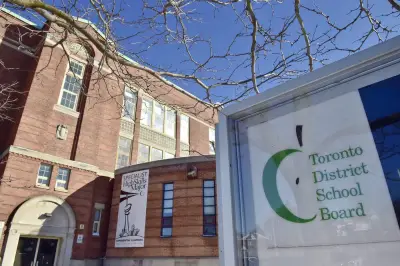
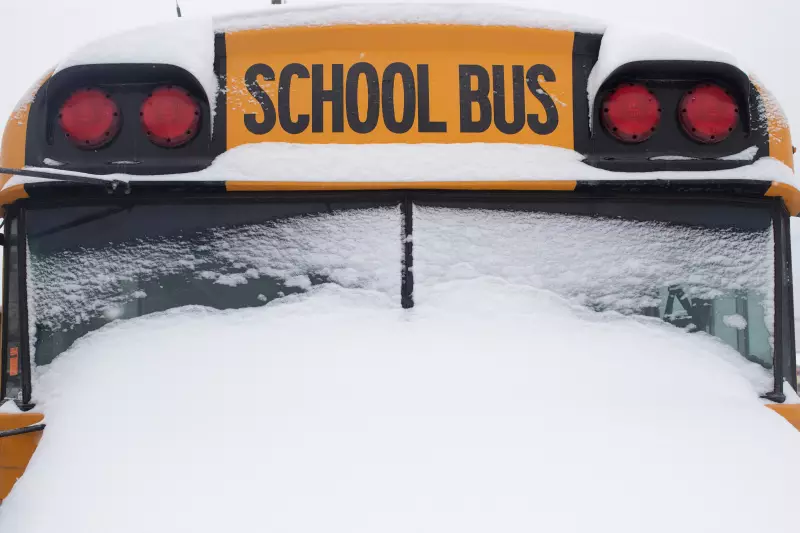
Local school boards and transportation authorities made the difficult decision to cancel bus services and close schools after assessing current and forecasted weather conditions. Extreme cold temperatures and potential snowfall accumulation have created unsafe travel conditions, particularly for school buses that must navigate rural routes and urban streets alike. The cancellations affect numerous school districts across Ontario, impacting thousands of students who rely on bus transportation to attend classes.
School administrators emphasize that student safety remains the paramount concern when making weather-related decisions. "We continuously monitor weather forecasts and road conditions throughout the night and early morning," explained a transportation coordinator from one affected district. "When conditions pose a risk to student safety, we must err on the side of caution."

Impact on Families and Educational Continuity
The sudden closures create logistical challenges for working parents who must arrange alternative childcare or adjust their work schedules. Many families received notification of the cancellations through automated alert systems, school websites, and local media announcements. The disruptions also affect educational continuity, as teachers must adapt lesson plans and potentially implement remote learning alternatives for affected days.
Weather-related school closures have become increasingly common in recent years as extreme weather events occur more frequently. Educational institutions have developed more sophisticated communication systems and contingency plans to address these situations, but the disruptions still create significant inconvenience for all involved parties.
Broader Weather Context and Regional Impacts
The school closures occur within a broader context of winter weather affecting much of Canada. Meteorological reports indicate that bone-chilling cold warnings have swept across the country, with some regions forecasting temperatures near -50°C with wind chill. These extreme conditions not only affect school transportation but also impact various sectors including:
- Public transportation systems
- Emergency services response times
- Outdoor work and construction projects
- Vulnerable populations including homeless individuals
As climate patterns continue to evolve, educational institutions and transportation authorities face ongoing challenges in balancing safety concerns with the need for consistent educational delivery. The current closures serve as a reminder of how weather extremes can disrupt daily life and institutional operations across Canadian communities.