Braille Club at Ontario School: Blind Student Teaches Peers in Wallaceburg
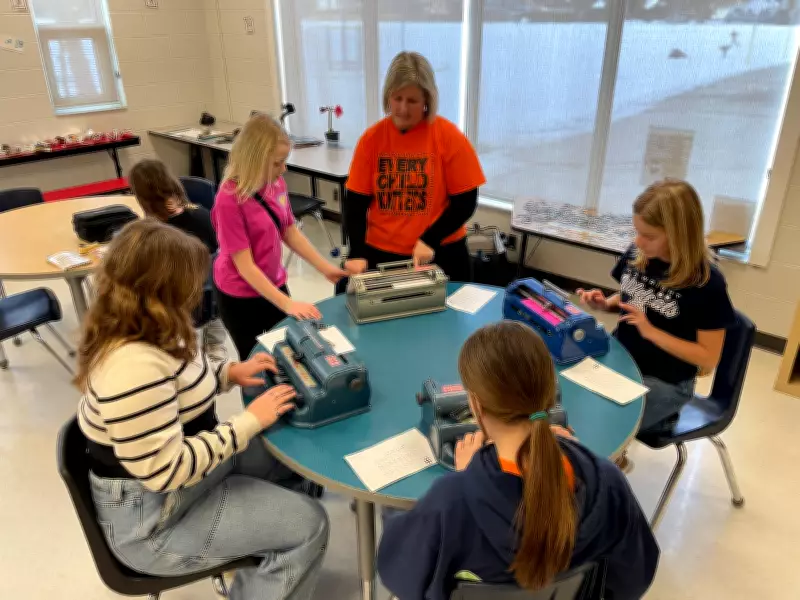
A unique educational initiative is unfolding at A.A. Wright Elementary School in Wallaceburg, Ontario, where students are gaining firsthand knowledge of Braille from a blind peer. The school's Braille Club, which convenes every Thursday, serves as a platform for this peer-led learning experience, highlighting the power of inclusion and cross-ability education.
Fostering Inclusion Through Peer Education
The club provides an opportunity for sighted students to engage with Braille, a tactile writing system used by people who are visually impaired. Under the guidance of their blind classmate, participants learn the basics of Braille, including alphabet recognition and simple word formation. This hands-on approach not only demystifies Braille but also promotes empathy and understanding among young learners.
Educational Benefits Beyond Literacy

Educators at the school emphasize that the Braille Club offers more than just literacy skills. It encourages students to appreciate diverse perspectives and challenges preconceived notions about disability. By learning directly from a peer, children develop communication skills and build meaningful connections that transcend visual abilities.
A Model for Inclusive Practices
The initiative at A.A. Wright Elementary showcases how schools can integrate inclusive practices into their curricula. Peer-led programs like the Braille Club can serve as a model for other educational institutions seeking to promote diversity and accessibility. Such efforts align with broader educational goals of creating supportive environments where all students can thrive.
Community and Parental Support
Parents and community members have expressed support for the Braille Club, noting its positive impact on student development. The program underscores the importance of community involvement in fostering inclusive education and highlights how local initiatives can drive meaningful change in schools.
Looking Ahead: Expanding Awareness
As the Braille Club continues to grow, there is potential to expand its reach within the school and possibly to other institutions. Increased awareness about Braille and visual impairment can lead to greater accessibility in educational materials and public spaces. This peer-led effort in Wallaceburg serves as a reminder of the value of inclusive education in building a more understanding society.