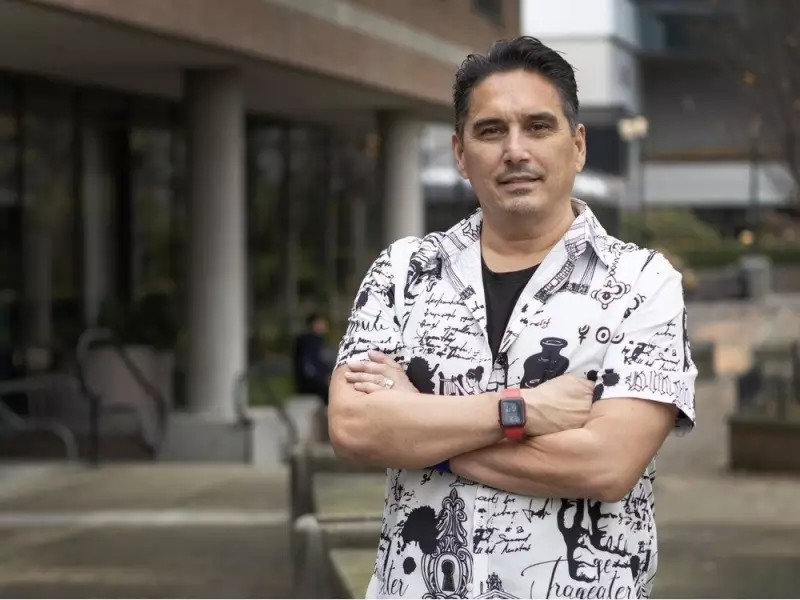
David Delorme, the district principal for Indigenous education in Vancouver, is raising an urgent alarm. He states that for many of his students, the path to academic success is being blocked not by a lack of ability, but by a profound lack of basic necessities like food, clothing, and stable housing.
The Soaring Cost of Living Creates an Educational Barrier
Delorme highlights the harsh reality facing families today. A simple $100 grocery trip now yields very little food, he explains, emphasizing that money simply does not stretch as far as it once did. This cost-of-living crisis directly impacts a student's capacity to learn and engage in school life.
The Vancouver School District's Indigenous Education Department is responsible for 2,099 students of First Nations, Métis, and Inuit ancestry. Delorme points out that many of these families confront deep-rooted systemic barriers and socio-economic challenges that hinder full participation in both school and community.

A Strategic Push for Emergency Support and Resources
To combat this, Delorme's department has been providing critical relief. Their support comes in the form of gift cards for essentials and emergency funds aimed at reducing stress and promoting overall family well-being. However, the demand for this assistance has surged dramatically.
The department now urgently needs more resources to expand its ability to respond to urgent requests. These needs span food support, emergency housing, transportation, and other vital services. To meet this growing crisis, Delorme is formally requesting $20,000 from the Vancouver Sun's Adopt-A-School campaign.
"We are implementing a district-wide strategy focused on addressing emergency requests, food insecurity and urgent financial needs," Delorme stated. This plan involves a centralized intake system and a rapid response team to manage crises like housing instability or sudden financial hardship.
Meeting Basic Needs is Foundational for Academic Success
Delorme frames this support not as charity, but as a meaningful and strategic investment in equity and educational outcomes. "Providing gift cards, food and emergency support to children and families is a meaningful and strategic way to promote equity, wellbeing and educational success," he asserts.
He draws a direct line between basic needs and classroom performance. When children are fed, housed, and free from acute financial stress, they are more likely to attend school consistently, engage in learning, and perform better academically. They are also less prone to behavioral challenges or emotional distress, he explains.
With a team of 27 Indigenous education workers and 11 teachers spread across Vancouver's 89 elementary and 18 secondary schools, the department is on the front lines. The requested funding is seen as a crucial tool to help break cycles of poverty and trauma, fostering long-term resilience and trust within the community while ensuring students have the fundamental stability required to succeed.