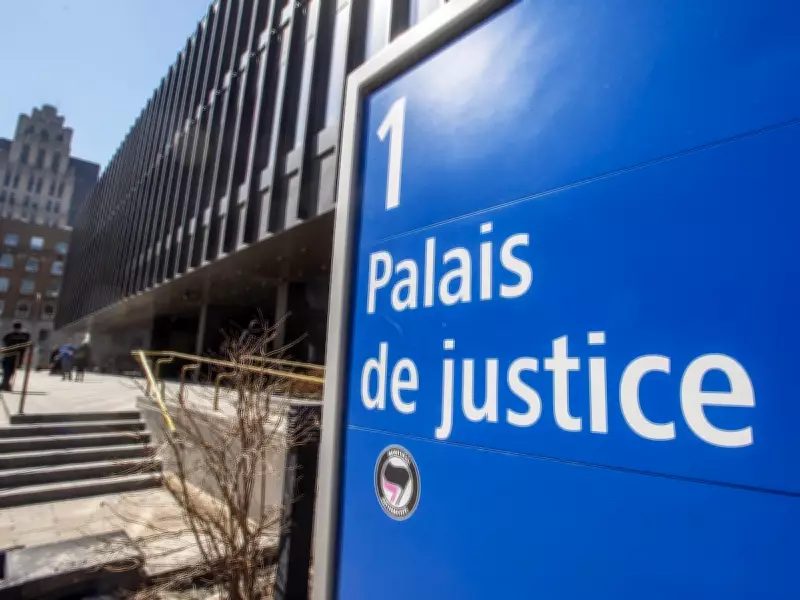
Quebec Educator Launches Constitutional Challenge Over Mandated Deception Policy
A Montreal high school teacher has initiated a Charter challenge in Quebec Superior Court, contesting a provincial education policy that compels educators to deliberately mislead parents about their children's gender transitions at school. The case, which began hearing arguments earlier this month, represents a significant confrontation between institutional directives and individual conscience in Canada's educational landscape.
The Ethical Dilemma: Truth Versus Policy
In 2023, a 14-year-old student at the teacher's school decided to undergo a female-to-male gender transition during school hours. Following established school protocol, educators were instructed to use male pronouns when addressing the student within the educational environment. However, the policy contained a controversial additional requirement: during meetings with parents, teachers were mandated to revert to using feminine pronouns, effectively concealing the student's gender transition from their family.
The teacher, identified in court documents as A.B., informed school administrators that while she would respect the student's preferred pronouns at school, she could not participate in deceiving parents about their child's gender identity during scheduled parent-teacher interviews. According to a statement from the Justice Centre for Constitutional Freedoms, which is supporting the teacher's legal challenge, this position placed the educator in direct conflict with institutional expectations.

Consequences of Conscience
"Being ordered to lie to parents was the last straw for the teacher," explained representatives from the JCCF. School authorities warned the educator that if she disclosed any aspect of the student's gender transition to parents during upcoming spring meetings, she would face immediate termination. This ultimatum forced the teacher to choose between professional survival and personal integrity.
"I could not live with myself if I did that," the teacher told the JCCF. "I will not look them in the eye and intentionally lie about the fact that we are enabling their child to undergo a significant psychosocial intervention without their knowledge. Transparent collaboration with parents is essential to my role as a teacher and is critical for the long-term wellbeing of children."
Broader Implications for Society and Democracy
The case raises fundamental questions about the role of educational institutions in family dynamics and the ethical boundaries of compelled speech. While the school maintains that its policy prioritizes student wellbeing, critics argue that this approach comes at the expense of parental rights, societal trust, and democratic principles.
"Trust is one of the foundational principles of all societies," the teacher's statement emphasized. "Once we force teachers to lie to parents then we are eroding one of the central pillars on which society rests." This perspective echoes earlier debates about compelled speech that gained national attention when Toronto professor Jordan Peterson first raised concerns about similar issues in 2016.
Legal and Educational Crossroads
The Quebec Superior Court case represents a critical juncture for educational policy, constitutional rights, and professional ethics in Canada. As the legal proceedings continue, educators, parents, and policymakers across the country are watching closely, recognizing that the outcome could establish important precedents regarding transparency, parental involvement, and institutional authority in matters of student identity and wellbeing.
The teacher's challenge highlights the complex intersection of individual conscience, professional responsibility, and institutional compliance in contemporary educational environments, forcing a necessary examination of where lines should be drawn between student privacy, parental rights, and ethical transparency.