U.S. Student Loan Borrowers in SAVE Plans to Resume Payments After Two-Year Hiatus
The U.S. Department of Education has announced that borrowers enrolled in the Saving on a Valuable Education (SAVE) income-driven repayment plan will soon be required to restart their monthly student loan payments. This development marks the conclusion of a two-year period during which payments were suspended, placing millions of Americans back into active debt repayment status.
End of Payment Suspension Period
Following an extended hiatus that began in early 2024, the Department of Education confirmed that the payment pause for SAVE plan participants is coming to an end. Borrowers must prepare to resume their monthly financial obligations, with the exact restart date expected to be communicated through official channels in the coming weeks.
The SAVE plan, which replaced the previous Revised Pay As You Earn (REPAYE) program, is designed to make student loan repayment more manageable by capping monthly payments at a percentage of discretionary income and offering forgiveness after 20-25 years of qualifying payments. Despite these benefits, the return to regular payments represents a significant financial adjustment for many households.

Impact on Borrowers and the Economy
Financial analysts predict that the resumption of student loan payments could have widespread economic implications. With millions of borrowers redirecting funds toward debt repayment, consumer spending in other areas may see a noticeable decline. This shift comes at a time when many Americans are already grappling with inflationary pressures and rising living costs.
"The end of the payment pause represents a critical juncture for student loan borrowers," noted one education policy expert. "While the SAVE plan offers more favorable terms than previous repayment options, the transition back to regular payments will require careful budgeting and financial planning for affected individuals."
Department of Education Guidance
The Department of Education has indicated that it will provide comprehensive guidance to help borrowers navigate the payment restart process. This includes information about payment amounts, due dates, and available options for those experiencing financial hardship. Borrowers are encouraged to update their contact information with their loan servicers to ensure they receive timely notifications.
Additionally, the Department reminds borrowers that the SAVE plan continues to offer important protections, including:
- Monthly payments capped at 5-10% of discretionary income
- Forgiveness of remaining balances after 20-25 years of qualifying payments
- Automatic enrollment in the plan for eligible borrowers
- Protection against interest accrual when making regular payments
Looking Ahead
As the payment restart approaches, financial advisors recommend that borrowers review their current financial situations, update their income information if necessary, and explore whether they qualify for additional relief programs. The transition back to regular payments represents both a challenge and an opportunity for borrowers to reassess their long-term financial strategies in relation to their educational debt.
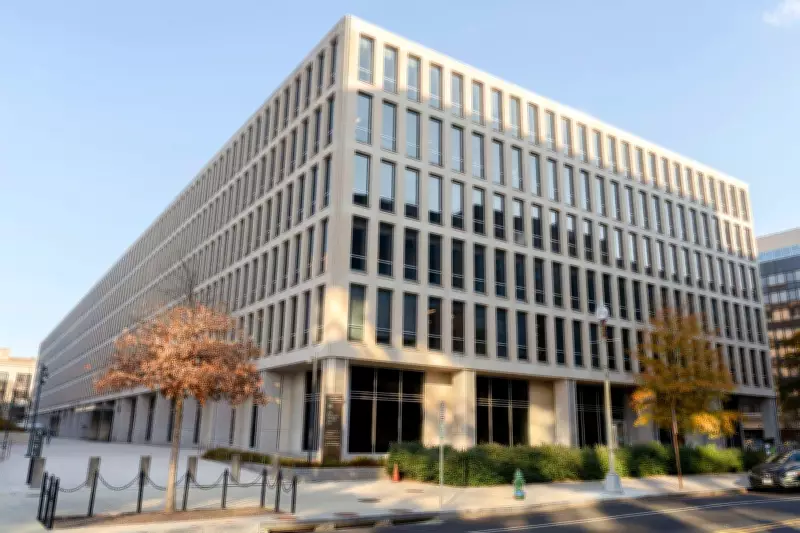
The Department of Education building in Washington, D.C., serves as the administrative center for these policy changes, which will affect millions of Americans across all fifty states. The coming months will reveal how smoothly this transition unfolds and what additional support mechanisms may be implemented to assist borrowers during this adjustment period.