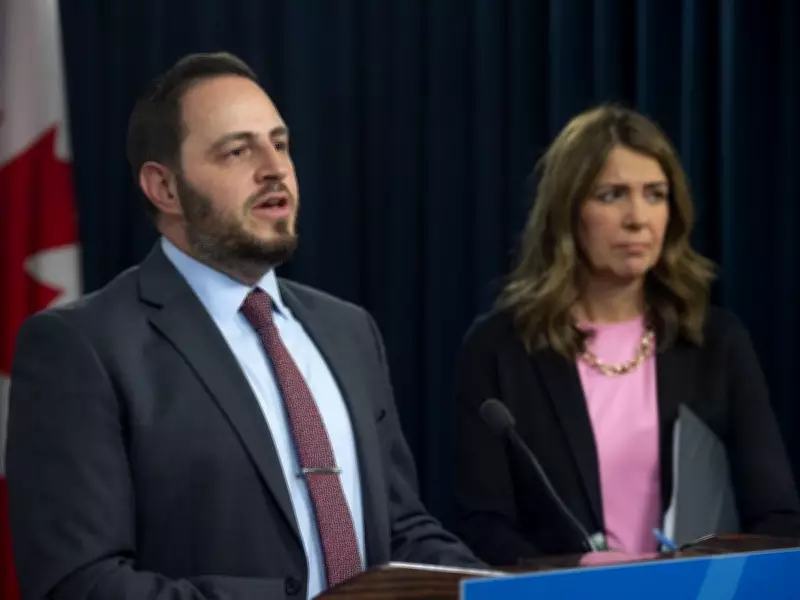
In a recent development, Alberta's government faces sharp criticism over proposed cuts to education and social services for refugees, with experts and citizens arguing that such measures will ultimately lead to higher costs for the province. The debate centers on Budget 2026 announcements by Premier Danielle Smith and Minister of Education and Childcare Demetrios Nicolaides, which include estimates that temporary residents' children could cost the education system $600 million.
Short-Sighted Savings Could Backfire
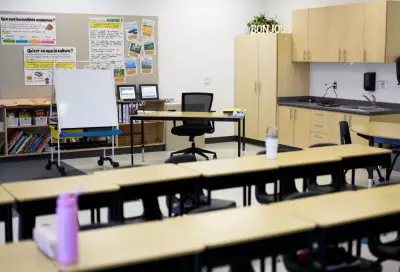
Critics contend that reducing support for refugees in areas like education is a flawed strategy. Education provides a level playing field, enabling individuals to contribute to society and compete in the global market. By limiting this investment, the province risks perpetuating lower incomes and increasing reliance on social services in the long run.
When children are enrolled in schools, their parents often have the opportunity to attend English classes, facilitating their entry into the workforce. Cutting off this support at a critical time is seen as counterproductive, potentially necessitating more social funding in the future.

Targeting Newcomers Draws Ire
Minister Nicolaides has admitted that the $600 million figure is a broad estimation, lacking precision, yet he has pointed to temporary residents and refugees as financial burdens. Opponents highlight that many temporary residents are employed, pay taxes, contribute to economic growth, and fill essential jobs that others may avoid.
Issues such as class size and complexity in Alberta's education system predate the recent influx of temporary residents, making the targeting of this group appear unjust. Critics label the government's actions as shameful, accusing it of vilifying a small, legally present population that enriches communities and supports the economy.
Broader Policy Concerns Raised
Beyond education, the government is urged to reconsider other costly initiatives, such as court cases, referendum questions, and propaganda campaigns, which could free up funds without harming vulnerable groups. The focus should shift from blaming newcomers to addressing systemic budget shortfalls through more effective means.
Additionally, Premier Smith's comments on social programs being overly generous have sparked debate. Some note that Alberta's benefits, like AISH payments, have historically attracted migrants from other provinces, suggesting that a balanced approach is needed to support both residents and newcomers without fostering resentment.
In summary, the proposed cuts to refugee supports are viewed by many as a misguided effort that could escalate future expenses and undermine Alberta's social and economic fabric. Advocates call for policies that invest in education and integration, recognizing the long-term benefits of a supportive environment for all residents.