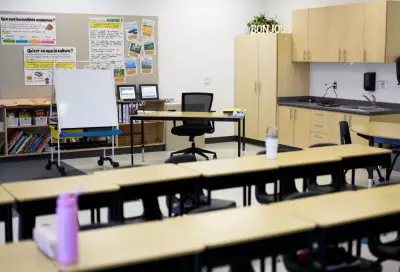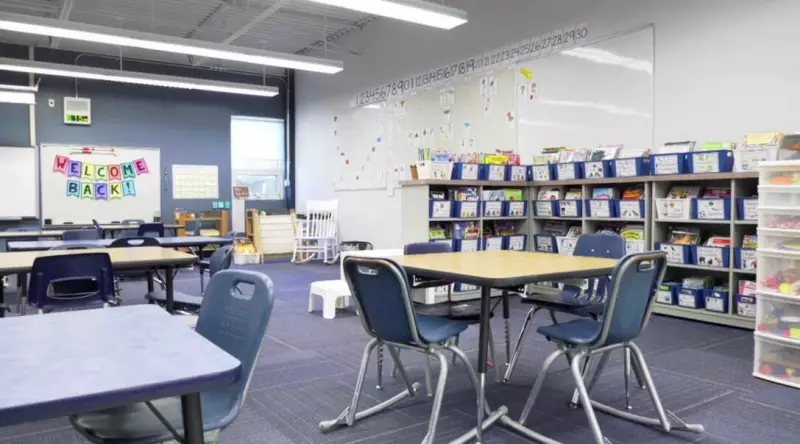
A recent national assessment has delivered sobering news for Manitoba's education system, revealing that Grade 8 students in the province are performing "significantly lower" than the Canadian average in core subjects. The findings, which focus on science, reading, and mathematics, highlight a persistent achievement gap that demands attention from educators and policymakers alike.
Examining the Assessment Results
The report, released in January 2026, provides a detailed snapshot of student competency at a critical juncture in their academic journey. While specific numerical scores from the Pan-Canadian Assessment Program (PCAP) or similar evaluation were not detailed in the initial alert, the language used—"significantly lower"—indicates a substantial deviation from the national mean. This trend across all three fundamental subjects—science, reading, and mathematics—suggests a systemic challenge rather than an isolated issue in a single discipline.
The timing of this report is crucial, coming several years after the widespread disruptions caused by the COVID-19 pandemic. It allows for an analysis of longer-term recovery and performance trends in Manitoba's middle schools. The data underscores the need to evaluate current teaching methodologies, curriculum alignment, and support systems for students transitioning into higher grades.

Context and Implications for Manitoba
For parents, educators, and provincial officials in Winnipeg and across Manitoba, these results are a clear call to action. Performance in Grade 8 is often a strong predictor of future success in high school and beyond. Struggles in foundational literacy and numeracy can create barriers to understanding more complex concepts in later grades, potentially affecting graduation rates and post-secondary readiness.
The report's findings likely will fuel discussions on several fronts, including:
- Resource Allocation: Are schools, particularly those in need, receiving adequate funding for specialized support and learning materials?
- Teacher Training: Is there a need for enhanced professional development focused on adolescent literacy, STEM education, and differentiated instruction?
- Curriculum Review: How does Manitoba's curriculum compare to other provinces that may be seeing stronger results?
Looking Forward: Pathways to Improvement
Addressing this performance gap will require a coordinated and evidence-based strategy. Other jurisdictions have tackled similar challenges through initiatives like targeted tutoring programs, early intervention for struggling readers, and project-based learning to engage students in math and science. Collaboration between the provincial government, school divisions, teachers' associations, and parent councils will be essential to develop and implement effective solutions.
Furthermore, this report may prompt a deeper look at socioeconomic factors, access to technology, and student well-being, all of which are inextricably linked to academic achievement. The goal for Manitoba must be to not only lift scores to the national average but to ensure every student has the tools and support needed to reach their full potential in these critical subject areas.