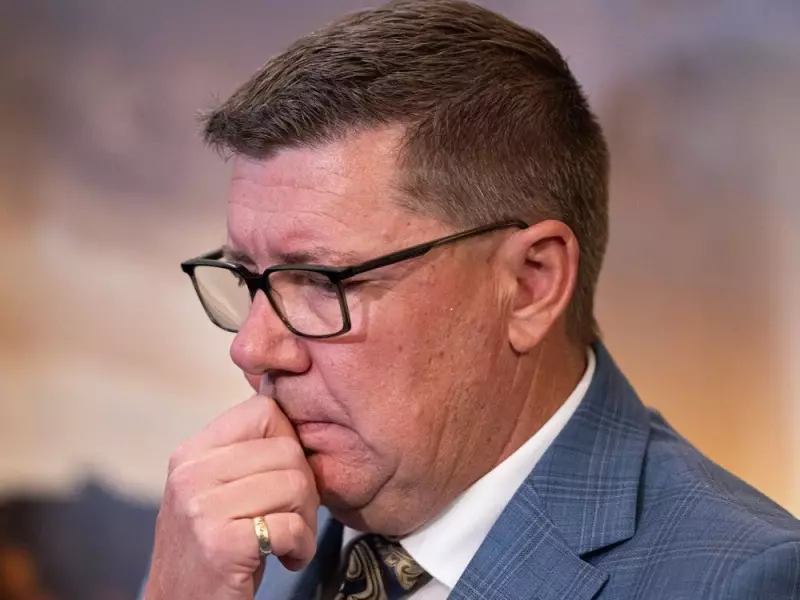
In a significant development for Canadian education, Alberta and Saskatchewan governments have taken decisive action to silence teachers' voices through legislative force. Saskatchewan Premier Scott Moe recently expressed agreement with Alberta Premier Danielle Smith's use of the notwithstanding clause to order teachers back to work, marking a troubling trend in provincial education policy.
The Real Meaning Behind Teacher Strikes
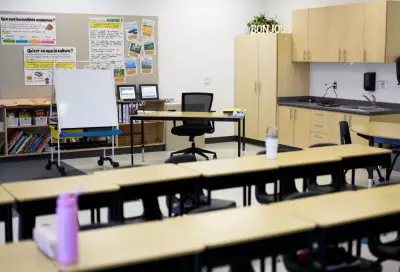
What these provincial leaders fail to recognize or openly acknowledge is that teacher strikes represent far more than disputes over compensation. These labor actions constitute fundamental advocacy for the essential conditions that enable meaningful learning to occur. Teachers are fighting for smaller class sizes, adequate support for students with special needs, and sufficient time for lesson planning, collaboration, and student care.
The educational landscape in Alberta has been deteriorating for years, with the province now ranking among the lowest in Canada for per-student funding. Classroom sizes have expanded significantly, while teachers face increasingly demanding workloads averaging 47 hours per week, positioning them among the most overworked and stressed educators globally.

A National Pattern of Legislative Overreach
Alberta's situation reflects a broader national trend. Over the past decade, provincial governments including Ontario, British Columbia, Nova Scotia, and Saskatchewan have similarly attempted to use legislative measures rather than negotiation to resolve educational labor disputes.
When governments resort to back-to-work legislation instead of good-faith bargaining, they effectively declare that education policy should be determined exclusively by politicians. Alberta's Bill 2 exemplifies this approach, invoking the notwithstanding clause to circumvent the collective bargaining process entirely.
The Consequences for Democratic Dialogue
This legislative strategy undermines democratic principles by telling educators, parents, and students that their perspectives don't matter. Collective bargaining represents one of the few remaining public forums where educational priorities can be openly debated. It provides teachers with a platform to advocate not just for their own interests, but for the learning environments all children deserve.
Governments frequently justify back-to-work laws as necessary for protecting students. However, this raises critical questions about what exactly students need protection from: a few days of missed classes, or a systematically underfunded education system that lacks the resources to fulfill its fundamental mission?
Students now return to the same inadequately supported public schools and learning conditions, while educators face the same classrooms where they're expected to accomplish more with diminishing resources. The fundamental issues that prompted the labor action remain unaddressed, creating a cycle of dissatisfaction that ultimately harms the educational experience for everyone involved.