What Alberta's Political Conflicts Teach Children About Disagreement
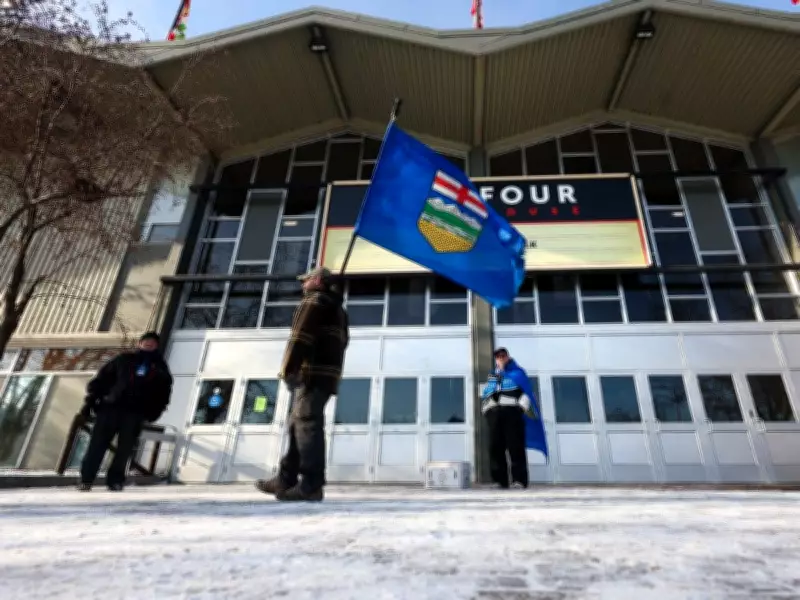
In Alberta, political tensions have reached a fever pitch. Premier Danielle Smith's government has paved the way for a separation referendum, with petitions circulating across the province to gather signatures. This divisive conversation dominates radio talk shows, newspaper headlines, and kitchen table discussions throughout the region.
The Adult Perspective Versus the Child's View
While adults engage in complex policy arguments and constitutional debates, children perceive these conflicts through a simpler lens. They witness what happens when people no longer wish to share resources or coexist peacefully. As a child psychiatrist and parent, I regularly listen to young people discuss their daily lives. Although they rarely mention politics directly, they pay meticulous attention to how adults handle disagreements.
Children observe who remains engaged during conflicts and who chooses to walk away. They notice the subtle dynamics that unfold between opposing parties. This matters profoundly because how adults manage public disputes doesn't remain confined to the political arena—it permeates children's daily experiences in quiet yet enduring ways.

Patterns Children Learn Before Civics
Long before children study formal civics education, they absorb behavioral patterns from their surroundings. One concerning pattern emerging in Alberta is that when disagreements intensify, the typical response involves overriding opposing views, escalating tensions, or simply abandoning the conversation altogether.
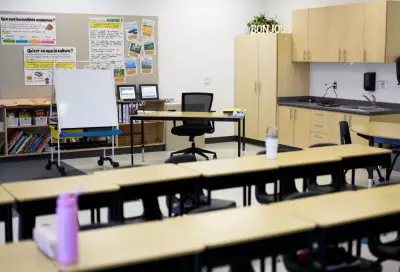
The language of conflict varies depending on the issue. Sometimes it involves legal mechanisms that most children will never fully comprehend. Other times, it manifests as labor disputes that directly impact classrooms. Last fall's provincewide teachers' strike and subsequent back-to-work order provides a stark example. During this period, many Alberta children missed nearly a month of school, their routines disappeared, and trusted adults were openly at odds.
Children Living Through Adult Conflicts
Children weren't merely observing these events unfold—they were living through them. The experience didn't conclude when classrooms reopened. Many educators described feeling dismissed and undervalued during the labor dispute. Months later, numerous teachers continued reporting exhaustion and moral strain, with little sense that the disruption had fully resolved. The overall tone in schools shifted noticeably, and children perceived this change acutely.
Young people notice when the adults they depend on appear worn down, uncertain, or no longer confident that their work receives proper respect. Sometimes the conflict sounds like separation rhetoric, framed as a reasonable response to feeling unheard. To adults, these might seem like distinct conversations, but to children, they blend together into a continuous narrative of discord.
The Common Thread: Behavior Over Ideology
What these situations share isn't political ideology—it's behavior. Children develop an understanding of fairness early in life. They comprehend concepts of safety and belonging intuitively. When rules are disregarded because they prove inconvenient, children take notice. When pressure replaces constructive conversation, they observe carefully. When adults discuss leaving rather than repairing relationships, young people begin forming their own expectations about how conflicts should be managed.
These lessons extend beyond immediate political circumstances. They shape how children approach disagreements in their own lives—with peers, family members, and eventually in their adult relationships. The modeling children witness today influences their conflict resolution skills for years to come.
As Alberta navigates these challenging political waters, it's crucial to consider what messages we're sending to the next generation about cooperation, compromise, and community. The stakes extend far beyond current policy debates to encompass the social and emotional development of Alberta's children.