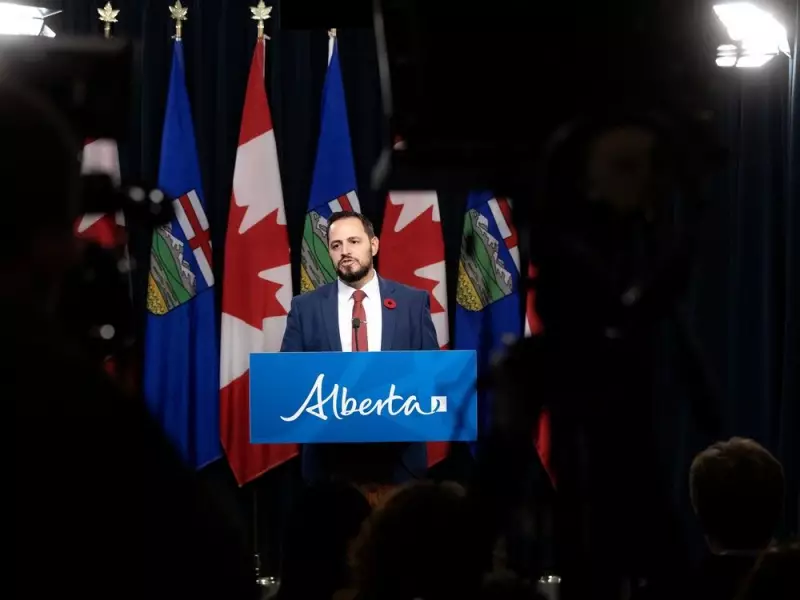
Education Minister Demetrios Nicolaides has introduced Bill 6, legislation that would mandate standardized literacy and numeracy screening for students from kindergarten through grade 3. While improving literacy rates seems universally desirable, Alberta teachers are raising serious concerns about this approach.
Teachers Already Know Who Needs Help
The fundamental problem with Bill 6, according to education experts, is that it legislates control over assessment methods that teachers already find problematic. Literacy and numeracy screeners have been required in Alberta schools for several years, making the new legislation largely redundant except for one significant change: it codifies the education minister's unilateral power over these assessments.
As one teacher bluntly stated, "We already know who needs help." Educators argue they possess more nuanced methods for evaluating student abilities that provide richer diagnostic information across a broader range of skills than the standardized screeners can capture.

Screeners Miss Crucial Learning Components
Current literacy screeners in Alberta pay little attention to comprehension or writing skills, focusing instead on a narrow range of measurable abilities. Teachers report that pressure to improve performance on these limited metrics actually hampers their ability to provide well-rounded language instruction.
The situation is compounded by concerns about developmental appropriateness. 71% of teachers find the screeners contain material students haven't been taught, while 73% describe them as harmful to students. Some children become so distressed during testing that they burst into tears, creating negative associations with learning.
Broader Pattern of Ignoring Teacher Expertise
Bill 6 represents the latest development in what educators describe as a troubling pattern from the UCP government. The province has rejected meaningful dialogue with teachers for years, beginning with funding cuts and controversial curriculum changes, and culminating recently in Bill 2, which used the notwithstanding clause to override teachers' Charter rights.
Despite survey results showing that 75% of teachers find little instructional value in Alberta's screeners, the government has refused to release its own survey data on the subject. Even when screeners correctly identify struggling students, many teachers report receiving no provincial support to address these challenges in already overcrowded classrooms.
The legislation exemplifies what critics call the government's tendency to act on teachers rather than with them, prioritizing standardized measures over classroom expertise and collaboration.