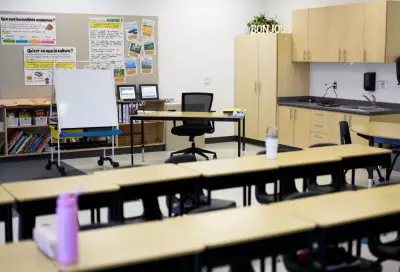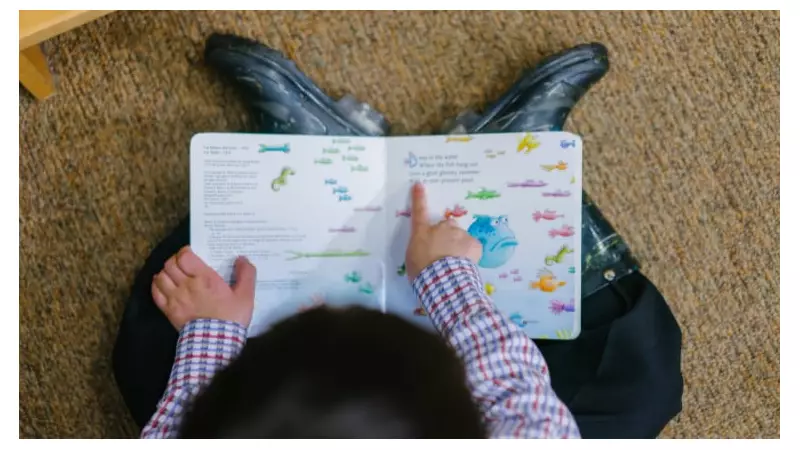
As Canadian schools close for the winter holidays, an education expert is warning parents and guardians about the potential for holiday learning loss, often called the "learning slide." However, he emphasizes that keeping young minds engaged doesn't have to involve traditional homework or drills.
What is the 'Learning Slide' and Why Does it Matter?
Education strategist Dwayne Matthews highlights that the extended break from formal instruction can lead students to lose some of the skills and knowledge they gained during the fall term. This backslide is a well-documented phenomenon that teachers often spend valuable weeks re-teaching after the holidays. Matthews stresses that the goal isn't to turn the home into a schoolhouse, but to find creative, low-pressure ways to reinforce learning.
Turning Holiday Fun into Learning Opportunities
Matthews advocates for integrating learning seamlessly into festive activities. This approach prevents the resistance often associated with assigned work. For instance, baking holiday treats becomes a practical lesson in fractions and chemistry. Planning a family budget for gifts teaches financial literacy. Reading holiday stories together or writing cards to relatives strengthens language arts skills. Even board games and strategic video games can promote critical thinking and math.

The key, according to Matthews, is engagement and relevance. When learning is connected to a child's interests and the joyful context of the season, it feels less like a chore. He suggests leveraging children's natural curiosity about holiday preparations, winter science, and family traditions to spark discussions and problem-solving.
Practical Tips for Parents and Caregivers
For families looking to implement these strategies, Matthews offers several straightforward tips. First, focus on conversation. Ask open-ended questions about plans, movies, or stories. Second, embrace real-world tasks, like following a recipe, reading a map for a day trip, or comparing prices while shopping. Third, encourage reading for pleasure without imposing strict rules on genre or length.
He also recommends setting aside short, consistent periods for quieter activities like puzzles or journaling, rather than marathon study sessions. The objective is to maintain cognitive routines without the pressure of grades or deadlines, making the return to school in January smoother and more successful for students.
By adopting this mindset, Matthews believes Canadian families can enjoy a restful and festive holiday while ensuring the students in their lives are poised to pick up right where they left off in the new year, turning a potential period of loss into one of subtle, enjoyable growth.