In a world awash with digital misinformation, one nation is starting the fightback at the very beginning of a child's educational journey. Finland, a global leader in education, has launched a comprehensive strategy to combat fake news by embedding media literacy into its curriculum, starting in preschool classrooms.
The Frontline of Digital Defence: The Classroom
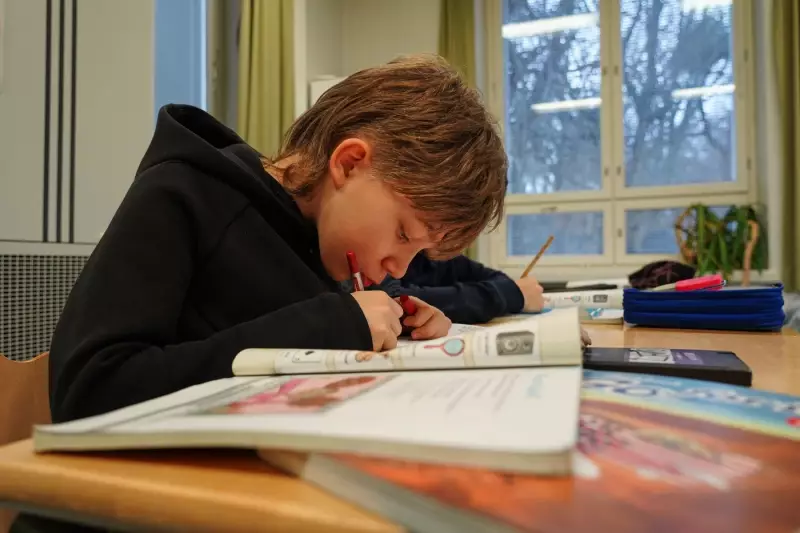
The initiative, highlighted in a recent report, shows students like ten-year-old fourth-grader Ilo Lindgren actively engaging in media literacy lessons. The scene at Tapanila Primary School in Tapanila, Finland, on December 9, 2025, illustrates this hands-on approach. From a young age, Finnish children are taught to question sources, identify biases, and understand the motives behind the information they encounter online and in traditional media.
This is not an elective or an afterthought; it's a core component of the Finnish education system, integrated across subjects. The goal is to build critical thinking skills as a fundamental literacy, alongside reading and mathematics. Educators equip students with tools to distinguish between fact and opinion, recognize sponsored content, and identify politically or commercially motivated narratives.

A Proactive Stance Against Global Misinformation
Finland's approach is widely seen as a proactive and preventative public policy. Rather than solely focusing on debunking falsehoods after they spread, the country invests in creating a populace that is inherently more resilient to manipulation. Experts point to Finland's history with neighbouring disinformation campaigns as a key driver for this national priority.
The results have garnered international attention. Finnish students consistently rank among the top in the world for reading and, more importantly, for the applied skill of distinguishing fact from fiction. The program evolves with students' age, starting with simple concepts for preschoolers and advancing to complex analysis of deepfakes and AI-generated content for older students.
Lessons and Implications for Canadian Education
For Canadian educators and policymakers, Finland's model presents a compelling case study. As Canada grapples with its own challenges of online misinformation, foreign influence, and digital polarization, the question arises: could a similar, systemic integration of media literacy strengthen democratic resilience?
Some Canadian provinces have media literacy components in their curricula, but the depth, consistency, and early start seen in Finland are notable differences. Adopting such a model would require significant investment in teacher training and curriculum development. However, advocates argue that in the digital age, these skills are no longer optional but essential for informed citizenship and personal security online.
The Finnish experiment demonstrates that the battle for truth is not just fought on social media platforms or in legislative chambers. It is also won in the minds of the youngest citizens, armed with curiosity and critical thought, one preschool classroom at a time.