Ukrainian Ophthalmologist Pioneers Humanitarian Fellowship at University of Calgary
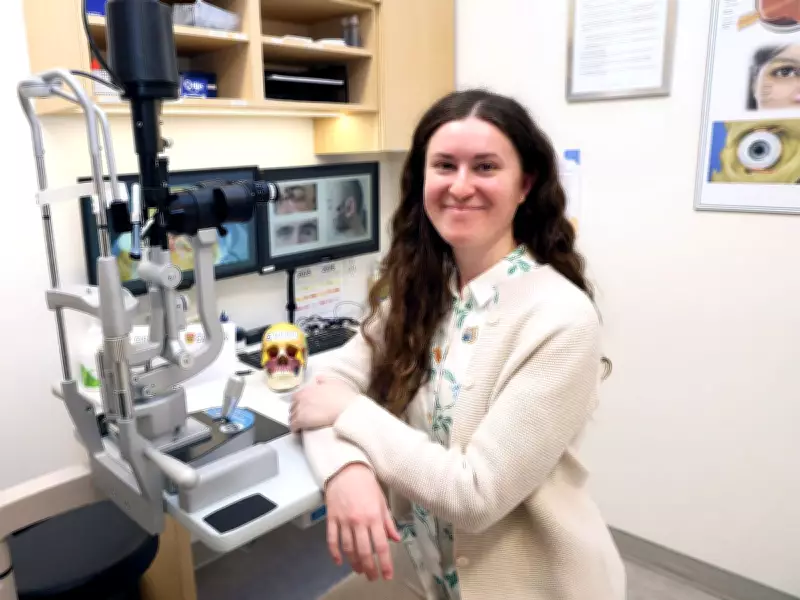
Dr. Pavla Ivaniuta, a 26-year-old ophthalmologist and surgeon from Kyiv, Ukraine, has made history as the first fellow in the University of Calgary's newly established humanitarian fellowship program. This initiative is specifically designed to support surgeons working in regions affected by geopolitical crises, offering them advanced training and resources to enhance their medical capabilities.
From War Zone to Calgary: A Journey of Resilience
In 2022, just as the Russian-Ukrainian war erupted, Ivaniuta officially qualified as an ophthalmologist. Since then, she has been on the front lines, providing critical eye care to both civilians and soldiers injured in the conflict. "I'm so lucky because I had so many reconstructive surgeries for our civilians, our soldiers with mine explosion injuries," she reflected. "I had a great opportunity to assist my mentor, Dr. Oksana Petrenko, and improve my knowledge."
Ivaniuta comes from a family of eye doctors in Ukraine, with three ophthalmologists among her relatives. Her work in Kyiv and across Ukraine involved handling complex cases, often under emotionally taxing circumstances. "I used to cry because it's not just soldiers, it's also children, and of course it's so hard," she admitted. "But now, due to my skills, I can help these children and soldiers look better, so this patient can socialize. It's one of the most important things after trauma."

The Humanitarian Fellowship: A Three-Part Program
The University of Calgary's humanitarian fellowship spans one year and is structured into three distinct phases:
- Intensive Training in Calgary: Fellows undergo condensed, hands-on training in advanced surgical techniques.
- Application in Home Country: Participants return to their nations to implement newly acquired skills in real-world settings.
- Completion in Calgary: Fellows come back to Calgary to finalize the program and share their experiences.
Dr. Karim G. Punja, an oculofacial plastic surgeon and clinical associate professor at the Cumming School of Medicine, leads the program. Currently, Ivaniuta is in the first stage, spending operating room time with Punja and focusing on reconstructive surgery techniques.
Bridging Skills Across Continents
During her time in Calgary, Ivaniuta has already applied her training to cases similar to those she encounters in Ukraine. She recently assisted in a skin cancer reconstruction operation, noting the parallels with her work back home. "It's so similar to the cases that I have in Ukraine," she explained. "It's not a skin cancer, of course, it's mine explosive injury, but the principles of reconstruction are completely similar. Due to this knowledge that I get here, I can do it by my own or with my team in Ukraine."
A key component of the fellowship requires Ivaniuta to disseminate her knowledge to other Ukrainian eye doctors. She is part of an association of oculoplastic and eye prosthetics specialists in Ukraine and plans to conduct lectures and master classes. "This is also my main goal, to give this knowledge that I get to these doctors to improve their skills," she said. "It's important for me because when I teach, I can learn."
A Mission of Hope and Healing
Ivaniuta expressed profound gratitude for the opportunity to participate in the fellowship, emphasizing her commitment to leveraging this experience for the benefit of her compatriots. "I was lucky to be in Calgary to bring back more knowledge and skills to help people in Ukraine," she stated. Her journey symbolizes a beacon of hope, demonstrating how international collaboration in medical education can transcend borders and crises, ultimately fostering resilience and recovery in war-affected communities.
The University of Calgary's humanitarian fellowship not only advances surgical expertise but also strengthens global health networks, empowering professionals like Ivaniuta to make a tangible difference in the lives of those enduring the ravages of conflict.