Pro-Palestinian Tufts University Graduate Returns to Turkey After Trump-Era Detention
Rumeysa Ozturk, a 30-year-old doctoral student at Tufts University in Massachusetts, has returned to her home country of Turkey after being detained by Department of Homeland Security agents in March 2025. The incident, which occurred on a street in Somerville, Massachusetts, drew attention to the targeting of international students under the previous administration.
Security Footage Captures Detention
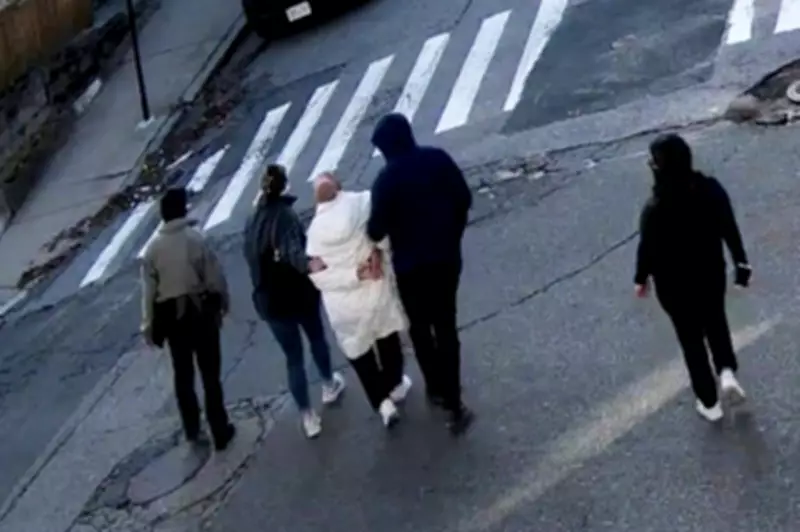
Security camera video from March 26, 2025, shows Ozturk being taken into custody by DHS agents. The Turkish national was pursuing her doctorate at the prestigious university when the detention occurred. While specific charges were not publicly disclosed at the time, sources indicate her pro-Palestinian activism may have been a factor in the scrutiny she faced from immigration authorities.
Academic Freedom Concerns Raised
The case has sparked renewed discussions about academic freedom and the treatment of international students in the United States. Ozturk's return to Turkey comes after more than a year of legal proceedings and uncertainty about her immigration status. University officials had expressed concern about the detention, emphasizing their commitment to supporting all students regardless of their political views or national origin.

Broader Implications for International Students
This incident reflects broader tensions between immigration enforcement and academic institutions. Many universities have reported increased anxiety among international students about their status in the United States, particularly those engaged in political activism or from countries with strained diplomatic relations with the U.S. government.
The Trump administration had implemented several policies that made it more difficult for international students to remain in the country, including:
- Increased scrutiny of visa applications from certain countries
- More frequent immigration enforcement actions on or near college campuses
- Stricter requirements for maintaining student visa status
- Reduced pathways from student visas to permanent residency
Current Status and Future Implications
Ozturk's return to Turkey marks the conclusion of a case that had drawn attention from both academic and immigration advocacy circles. While she has left the United States, her experience continues to inform discussions about how universities can better protect their international student populations from political targeting.
The incident serves as a reminder of the precarious position many international scholars find themselves in when their academic pursuits intersect with geopolitical tensions. As universities increasingly rely on international students for both cultural diversity and financial stability, cases like Ozturk's highlight the need for clearer protections and support systems.