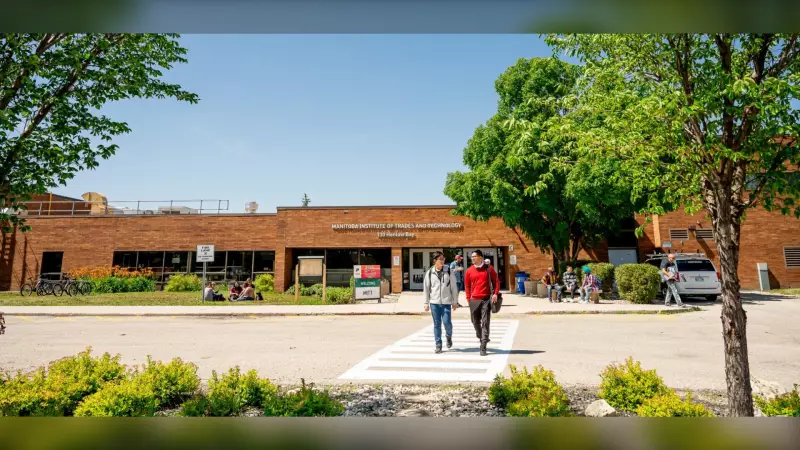
Manitoba Institute of Trades and Technology to Cease Operations Amid Steep Enrolment Drop
The Manitoba Institute of Trades and Technology (MITT) has announced it will be closing its doors permanently due to a severe and ongoing decline in student enrolment. This decision marks a significant shift in the vocational and technical education landscape in Winnipeg, affecting current students, faculty, and the broader community.
Challenges Leading to the Closure
Enrolment issues have plagued MITT for several years, with numbers falling steadily across many of its programs. The institute, which has been a key provider of hands-on training in trades and technology, struggled to attract enough students to remain financially viable. This trend reflects broader challenges in post-secondary education, including changing labour market demands and increased competition from other institutions.
"The decline in enrolment has made it unsustainable for us to continue operating," a representative from MITT stated. "We have explored various options to address this, but ultimately, closure is the only feasible path forward."

Impact on Students and Staff
The closure will disrupt the education of current students, who will need to transfer to other institutions to complete their programs. MITT has indicated it will work with affected students to facilitate smooth transitions, though details are still being finalized. Faculty and staff face uncertain futures, with layoffs expected as the institute winds down its operations.
This development comes at a time when skilled trades are in high demand across Canada, highlighting a paradox where vocational training providers struggle despite industry needs. Experts suggest that shifting perceptions about trade careers and economic factors may have contributed to MITT's enrolment woes.
Broader Implications for Manitoba's Education Sector
The loss of MITT represents a blow to Manitoba's education system, particularly in the trades and technology sectors. It raises questions about how similar institutions can adapt to changing demographics and educational preferences. Provincial officials have yet to comment on potential replacements or support measures for the gap left by MITT's closure.
As the institute prepares to shut down, stakeholders are calling for a review of vocational education funding and outreach strategies to prevent similar situations elsewhere in Canada. The closure serves as a cautionary tale for other colleges facing enrolment challenges in an increasingly competitive post-secondary environment.