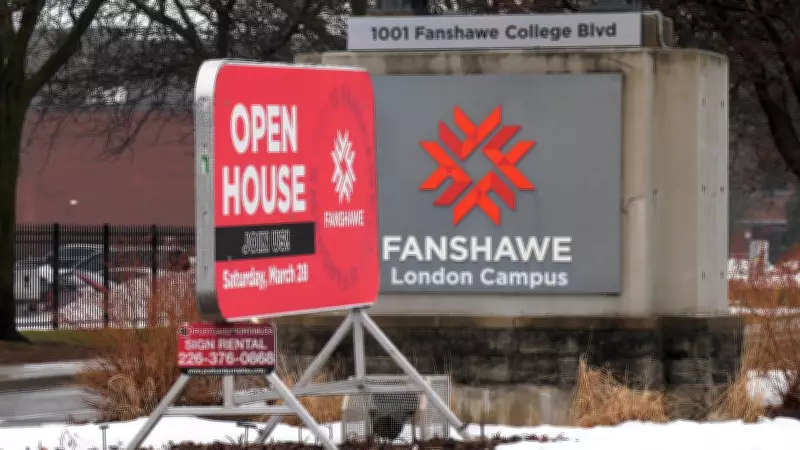
Fanshawe College Cuts Nine More Programs as Deficit Nears $50 Million
Fanshawe College in London, Ontario, has announced the elimination of nine additional academic programs, a move driven by a rapidly escalating financial deficit that is projected to approach $50 million. This decision follows earlier cost-cutting measures and has sparked significant concern among students, faculty, and the broader community about the long-term viability and accessibility of post-secondary education at the institution.
Financial Crisis Deepens
The college's deficit has been steadily increasing, with current estimates indicating it could reach nearly $50 million if current trends continue. This financial strain is attributed to a combination of factors, including declining enrollment, reduced government funding, and rising operational costs. The program cuts are part of a broader austerity plan aimed at stabilizing the college's finances, but they come at a cost to educational diversity and student opportunities.
These latest eliminations bring the total number of programs axed in recent years to a substantial figure, affecting areas across various disciplines. While specific programs have not been publicly detailed, insiders suggest they include both vocational and academic courses that have seen low enrollment or high operational expenses.

Impact on Students and Community
The reduction in program offerings is expected to have a ripple effect on the local economy and student body. Many current and prospective students may find their educational paths disrupted or limited, potentially forcing them to seek alternatives elsewhere. This could lead to a brain drain from the London region, as talented individuals look to other institutions for their studies.
Faculty members are also facing uncertainty, with potential job losses and increased workloads for those remaining. The college administration has emphasized that these cuts are necessary to ensure the institution's survival, but critics argue that they may undermine the quality of education and the college's reputation in the long run.
Broader Context in Higher Education
Fanshawe's situation is not unique in Ontario or across Canada, as many post-secondary institutions grapple with similar financial challenges. Factors such as changing demographics, increased competition, and evolving labor market demands are putting pressure on colleges and universities to adapt quickly. However, the scale of Fanshawe's deficit and the aggressive nature of its cuts highlight the severity of the crisis.
Stakeholders are calling for a more sustainable approach, including increased government support and innovative revenue-generating strategies. The college has indicated that it is exploring partnerships and new program developments to offset losses, but the immediate focus remains on cost containment.
As the deficit continues to grow, the community watches closely, hoping for a resolution that balances fiscal responsibility with educational excellence. The coming months will be critical in determining whether Fanshawe can navigate this financial storm without further compromising its core mission of providing accessible and quality education.