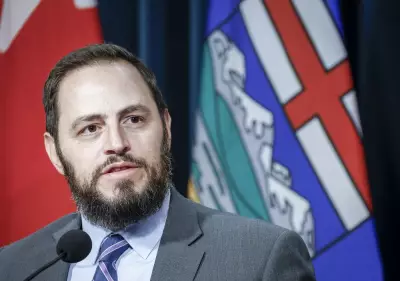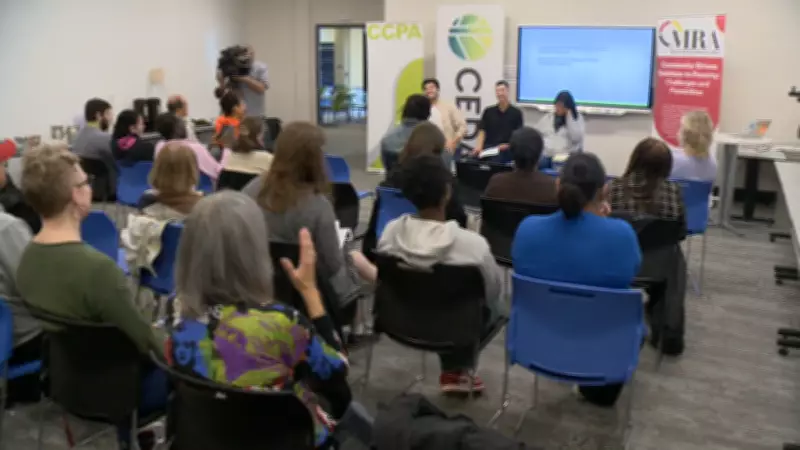
A report released by the Canadian Centre for Policy Alternatives on April 28, 2026, sheds light on the significant challenges faced by Indigenous and racialized students in post-secondary education in Winnipeg and across Manitoba. The document, presented at a press conference, outlines systemic barriers that hinder academic success and equitable access for BIPOC students.
Key Findings
The report identifies several critical issues, including inadequate financial support, lack of culturally relevant curricula, and insufficient mental health services. Students reported feeling isolated and marginalized within predominantly white institutions, which negatively impacts their retention and graduation rates.
Financial Hurdles
Many BIPOC students struggle with high tuition costs and limited access to scholarships or bursaries. The report calls for increased funding for Indigenous and racialized student support programs.

Cultural Gaps
Curricula often fail to incorporate Indigenous perspectives or address systemic racism, leaving students without a sense of belonging. The report recommends mandatory cultural competency training for faculty and staff.
Recommendations
The Canadian Centre for Policy Alternatives urges provincial policymakers to implement targeted measures, such as establishing dedicated BIPOC student centers and increasing representation among faculty. The report also emphasizes the need for collaborative efforts between educational institutions and Indigenous communities.
This study comes amid broader discussions about equity in education across Canada, with similar reports emerging from other provinces. Advocates hope the findings will spur immediate action to dismantle barriers and foster inclusive learning environments for all students.