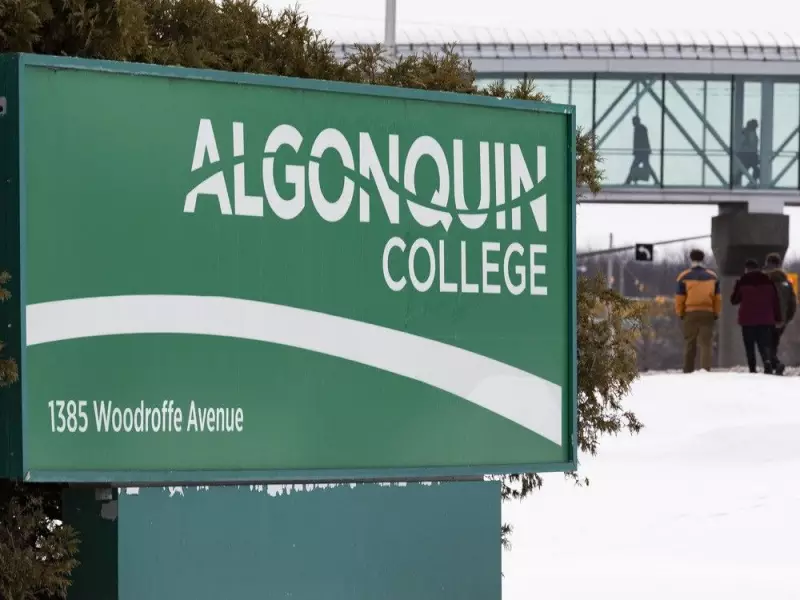
Algonquin College Proposes Cutting 30 More Programs Amid Financial Pressures
Algonquin College is contemplating the elimination of 30 additional academic programs as part of what administrators describe as "careful, strategic adjustments" to ensure long-term sustainability. These proposed cuts, which would take effect in September 2026, come just one year after the institution suspended 37 programs, highlighting ongoing financial and enrollment challenges facing Ontario's college system.
Factors Driving the Proposed Program Reductions
In a message to students, Senior Vice President Academic Julie Beauchamp explained that the recommendations reflect multiple converging pressures. Shifts in learner demand, changes in federal immigration policy, provincial funding constraints, and evolving industry needs have all contributed to the need for program realignment. Beauchamp emphasized that the college aims to focus resources on programs that support strong career pathways for graduates.
"These recommendations reflect several factors, including shifts in learner demand, changes in federal policy and provincial funding, and our focus on programs that support strong career pathways," said Beauchamp. The recommendations will be presented to the college's board of governors on February 23 for final approval.

Context of Previous Cuts and Financial Challenges
This represents the second significant round of program reductions at Algonquin College within a year. In February 2025, President Claude Brulé recommended suspending 37 programs, citing what he described as "the slow erosion of funding from the province" combined with federal immigration policy changes that limited student visas and post-graduate work permits.
The college has faced additional pressures including:
- Provincial tuition freezes that have constrained revenue growth
- Declining numbers of international students following federal policy changes
- The divestment and sale of the Perth campus in January 2025
- Increased competition for domestic students across Ontario
These challenges mirror those facing colleges across Ontario, many of which are grappling with similar financial pressures and enrollment shifts.
Impact on Current and Prospective Students
Beauchamp assured that students currently enrolled in affected programs, or those admitted for the spring 2026 term, will have the opportunity to complete their studies and graduate as planned if they meet all academic requirements. The college has committed to providing clear communication and appropriate support throughout the transition process.
"Between now and the Board meeting, teams across the College will be working to ensure we are prepared to communicate clearly and support learners appropriately," Beauchamp stated. She emphasized that no final decisions have been made and that the proposal remains a recommendation pending board approval.
Programs Targeted for Elimination
The proposed cuts span multiple campuses and disciplines, with particular impact on certain specialized programs:
At the Algonquin Centre for Construction Excellence:
- Sustainable architectural design
- Horticultural industries
- Horticulture techniques – apprenticeship
At the Pembroke Campus:
- Business (still offered at Ottawa campus and online)
- Business fundamentals (still offered at Ottawa campus and online)
- Computer programming (still offered at Ottawa campus and online)
- Environmental management and assessment (still offered at Ottawa campus)
Notably, several programs proposed for elimination at the Pembroke campus will remain available at Algonquin's Ottawa campus or through online delivery, suggesting a consolidation of resources rather than complete program discontinuation in some cases.
Looking Forward: Strategic Realignment
Beauchamp described the proposed cuts as part of Algonquin College's effort to refine its "program mix" and become more responsive to community and industry needs. The college aims to balance fiscal responsibility with educational quality, ensuring that remaining programs align with labor market demands and student career aspirations.

If approved by the board, the college has committed to sharing detailed implementation plans, including specific timelines, next steps, and support processes for affected students and faculty. The decision reflects broader trends in post-secondary education across Canada, where institutions are increasingly forced to make difficult choices about program offerings amid changing funding models and demographic shifts.