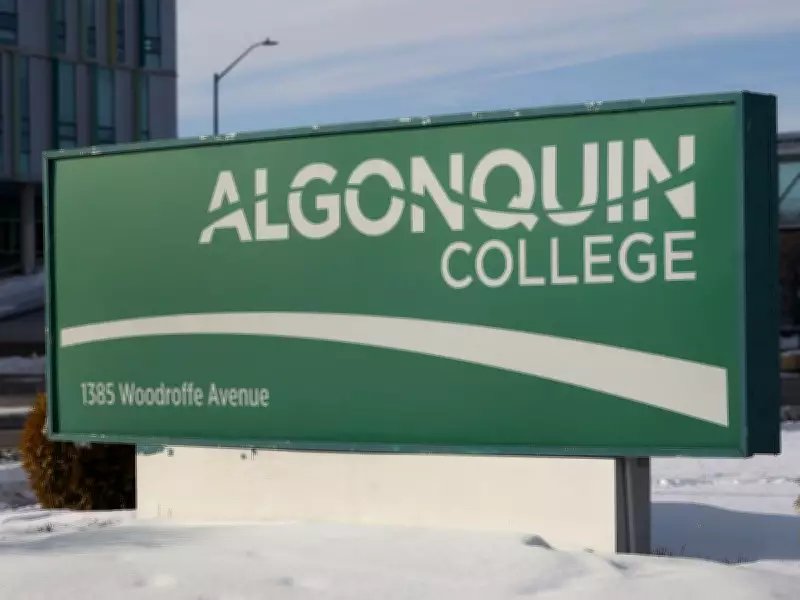
Algonquin College Program Cuts Threaten Ottawa's Economic and Cultural Vitality
Arts and business leaders in Ottawa are raising alarms that the suspension of arts and hospitality programs at Algonquin College will deliver a severe blow to the city's economy. They warn that events ranging from major music festivals to neighborhood beer festivals will face significant disruptions due to these educational cutbacks.
Second Round of Program Reductions Announced
Algonquin College has undergone a second round of program cuts, reducing its portfolio from 236 programs last year to just 169 as of this coming fall. On March 2, the college's board of governors voted to cancel a consolidated list of 30 programs after only an hour of discussion in a virtual meeting. This follows an initial round of cuts that had already trimmed the program count to 199.
Programs slated for elimination this time include music, media and film foundations, music industry arts, and illustration and concept art. The decision has sparked widespread concern among local stakeholders who depend on the talent pipeline these programs provide.

Profound Impact on Music and Arts Sector
Melanie Brulée, executive director of the Ottawa Music Coalition and an award-winning Franco-Ontarien singer-songwriter, described the cancellation of the music industry arts program as having a profound and generational impact. She emphasized that arts and culture are critical components of plans to revitalize Ottawa's downtown core and attract talent in other sectors like healthcare and technology.
For instance, the $200 million ByWard Market revitalization plan includes proposals to replace a garage on Clarence Street with an arts hub. Brulée warned that without local professionals trained to manage events, Ottawa would need to import talent from out of town, driving up costs and reducing local employment opportunities.
Students aspiring to enter the industry may now choose to study elsewhere and might not return to Ottawa, further exacerbating the brain drain. The music industry arts program at Algonquin accepts approximately 90 students annually and boasts an employment rate exceeding 92 percent for its graduates.
Festivals Face Increased Strain
Tara Shannon, executive director of the Ottawa Festival Network, which represents 170 members, called the program cuts devastating for a sector already under considerable financial strain. She explained that if festivals cannot access local talent, costs will inevitably rise, and these increases will likely be passed on to festival-goers, potentially reducing attendance and economic impact.
Graduates from Algonquin's programs typically work at festivals, venues, live events, music production studios, conferences, and corporate events. Notable alumni include Elijah Woods, a singer-songwriter and producer now based in Los Angeles, and Jacob Lacroix-Cardinal, a Juno Award-winning mixing engineer.
Concerns Over Film and Media Foundations
In a letter to Algonquin College, Sandrine Pechels de Saint Sandros, CEO and film commissioner of the Ottawa Film Office, expressed serious concerns about the suspension of the media and film foundations program. This move threatens to undermine the local film industry's growth and sustainability, which relies on skilled graduates to support production and creative endeavors.
Colin Mills, program coordinator for the music industry arts program, echoed these worries, stating that his fear is students will leave Ottawa for education and never return. This loss of homegrown talent could have long-term repercussions for the city's cultural and economic landscape.
The cumulative effect of these program eliminations extends beyond immediate job losses. It risks stalling Ottawa's broader economic development strategies, which increasingly hinge on a vibrant arts scene to attract investment, tourism, and skilled workers across various industries.