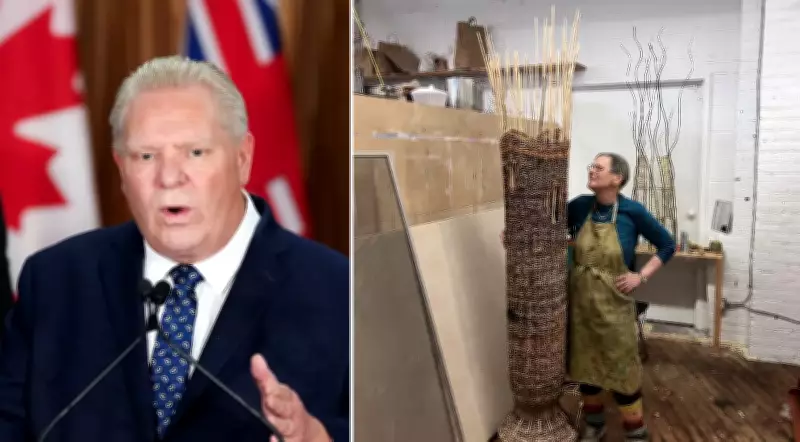
Weavers Defend Craft Against Premier Ford's 'Basket-Weaving' Comment
Ontario Premier Doug Ford has ignited controversy with a recent remark that appeared to dismiss 'basket-weaving' as a frivolous pursuit, prompting a strong response from the weaving community and educational advocates. The comment, made during a discussion on vocational training, has been criticized as undermining traditional crafts and the arts sector.
Artisans Emphasize Cultural and Economic Significance
Miriam Kaufman, Chair of the Toronto Guild of Spinners and Weavers, led the pushback, stating that such comments overlook the deep cultural heritage and economic contributions of weaving. "Weaving is not just a hobby; it's an art form with historical roots and modern applications," Kaufman emphasized. She highlighted how weaving supports local economies through sales, workshops, and tourism, with many artisans turning their skills into sustainable businesses.
Critics argue that Ford's jab reflects a broader trend of devaluing arts education in favor of more technical fields. Kaufman noted, "This isn't about wasting time—it's about preserving craftsmanship and fostering creativity, which are vital for a diverse society." The guild reports that weaving courses in Ontario have seen increased enrollment, with participants ranging from hobbyists to professional designers seeking to enhance their skills.

Educational and Policy Implications
The backlash has sparked a debate on educational priorities in Ontario. Advocates point out that arts and crafts programs, including weaving, contribute to mental well-being, community building, and cultural preservation. "Dismissing these skills ignores their role in holistic education and personal development," said one educator involved in adult learning programs.
In response, some policymakers have called for a reevaluation of how vocational and arts training are funded and promoted. The incident has drawn attention to the need for balanced educational policies that support both technical trades and creative industries. "We should celebrate all forms of learning that enrich our lives and economy," Kaufman added, urging a more inclusive approach from government leaders.
As the discussion continues, weavers and their supporters plan to engage in public outreach to raise awareness about the craft's value. This includes organizing exhibitions and workshops to demonstrate weaving's relevance in contemporary society. The controversy underscores ongoing tensions between traditional arts and modern economic priorities in provincial governance.