Ancient Bone Fragment Could Be First Physical Evidence of Hannibal's War Elephants in Western Europe
Archaeologists have unearthed an ancient bone fragment that may serve as the first physical evidence of Hannibal's legendary 'war machine' elephants in Western Europe. This discovery, reported by CNN in February 2026, could provide a rare tangible link to the Carthaginian general's military campaigns during the Second Punic War, which have long been documented in historical texts but lacked direct archaeological proof.
Potential Significance of the Find
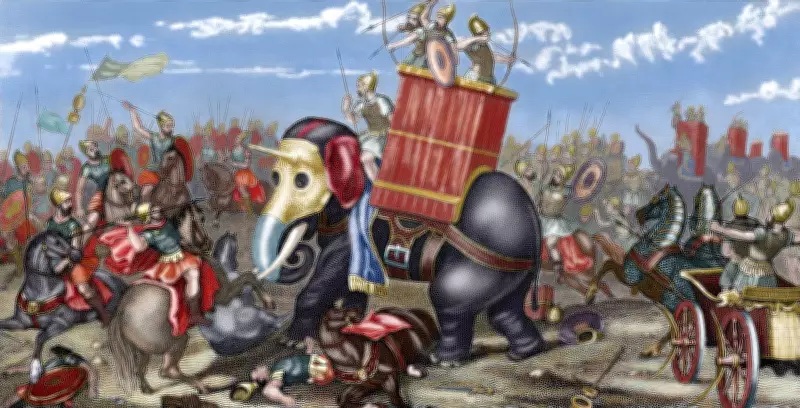
The bone, discovered at an unspecified site in Western Europe, is currently under analysis to determine its origin and age. If confirmed to be from an elephant used by Hannibal's forces, it would mark a groundbreaking moment in archaeology, shedding light on the logistics and impact of his famed crossing of the Alps with war elephants around 218 BC. This event is often cited as a pivotal moment in ancient warfare, demonstrating Hannibal's strategic brilliance and the formidable nature of his army.
Historians and scientists are particularly excited because physical evidence of Hannibal's elephants has been elusive. While ancient accounts describe these animals as key components of his military strategy, no definitive remains have been found in Europe until now. The bone could help validate historical narratives and offer insights into the species of elephants used, their health, and how they were managed during long campaigns.

Broader Archaeological Context
This discovery adds to a growing body of research on ancient military history and animal use in warfare. Experts note that finding such evidence in Western Europe is significant because it aligns with routes Hannibal might have taken during his invasions. Further studies, including DNA analysis and carbon dating, are planned to verify the bone's connection to the Second Punic War era.
If authenticated, this bone fragment could become a centerpiece in museums and academic discussions, highlighting the intersection of archaeology and history. It underscores how modern technology is enabling new discoveries that reshape our understanding of ancient events, making distant histories more accessible and tangible for the public.