UBC Professors Launch 'Dangerous Ideas' Course to Challenge Campus Norms
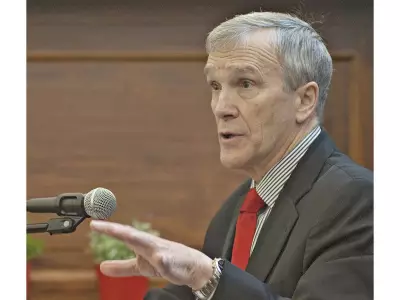
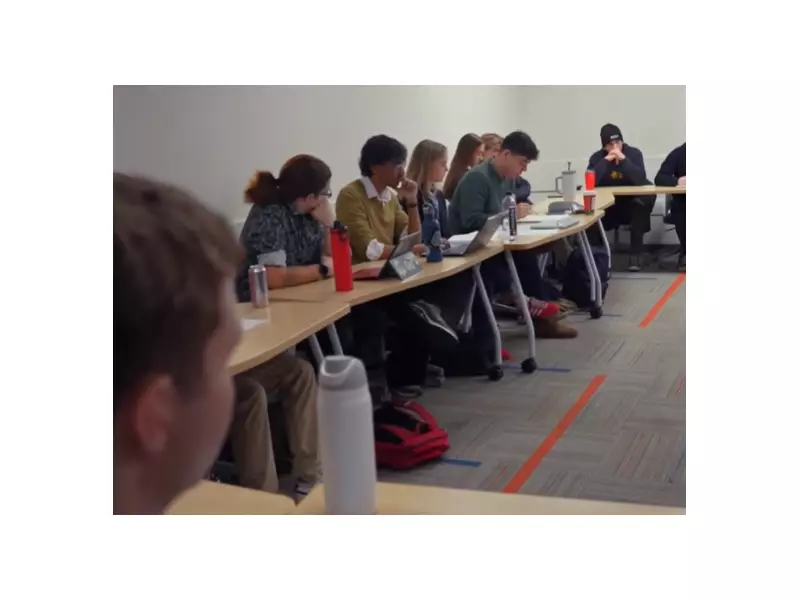
In a bold move at the University of British Columbia's Okanagan campus, professors Brad Epperly and Renaud-Philippe Garner have developed an innovative seminar course titled "Dangerous Ideas." This upper-level combined political science and philosophy course, which recently concluded its inaugural session, encourages students to engage with controversial and polarizing topics through structured debate and examination of multiple perspectives.
Course Structure and Student Response
The course syllabus explicitly invites students to tackle subjects that some might consider dangerous or off-limits in contemporary academic settings. Topics include freedom of speech, anti-racism, academic freedom, Zionism, and colonialism. According to reports, students responded enthusiastically to the opportunity to debate both sides of complex issues rather than being told certain ideas were prohibited.
This positive student reception suggests a growing appetite for open intellectual exploration beyond what some perceive as restrictive campus speech environments. The course represents a deliberate effort by faculty to push back against what they view as excessive limitations on academic discourse.

Historical Context of Campus Speech Controversies
The creation of this course comes against a backdrop of increasing concerns about free expression at Canadian universities over the past two decades. Several high-profile incidents have highlighted tensions around controversial speech on campus:
- In 2002, protests at Concordia University in Montreal led to the cancellation of a scheduled talk by Benjamin Netanyahu after demonstrators broke windows and threw furniture
- In 2016, University of Toronto psychology professor Jordan Peterson faced significant backlash, protests, and funding cuts after expressing concerns about proposed federal human rights legislation regarding gender pronouns
- In 2017, Wilfrid Laurier University teaching assistant Lindsay Shepherd faced disciplinary action for showing a clip of Peterson debating gender-neutral pronouns in her communications class
Broader Campus Climate Concerns
Beyond these well-publicized incidents, broader surveys suggest a concerning trend toward self-censorship among Canadian university students. A 2025 survey revealed that:
- More than half of students expressed reluctance to discuss transgenderism and the Israel-Hamas conflict
- Nearly half were hesitant to engage in political discussions generally
- A majority supported limiting free expression on campuses
These findings indicate that the challenges to open discourse extend beyond isolated incidents to reflect broader campus attitudes. The "Dangerous Ideas" course at UBC Okanagan represents a direct response to this climate, offering students an alternative model of intellectual engagement.
Implications for Canadian Higher Education
The development of this course raises important questions about the future of academic freedom and free speech in Canadian universities. While some view such initiatives as necessary correctives to what they perceive as excessive restrictions, others may see them as challenging important protections against harmful speech.
The course's success and student enthusiasm suggest that many young scholars crave opportunities for genuine intellectual exploration that includes examining controversial perspectives. This development at UBC may signal a potential shift in how Canadian universities approach difficult conversations and whether similar initiatives might emerge at other institutions across the country.
As Canadian higher education continues to navigate complex questions about speech, inclusion, and academic freedom, courses like "Dangerous Ideas" provide valuable case studies in alternative approaches to fostering intellectual diversity while maintaining respectful academic environments.