UBC Faces Backlash Over Indigenous Elder's Controversial Remarks at University Event
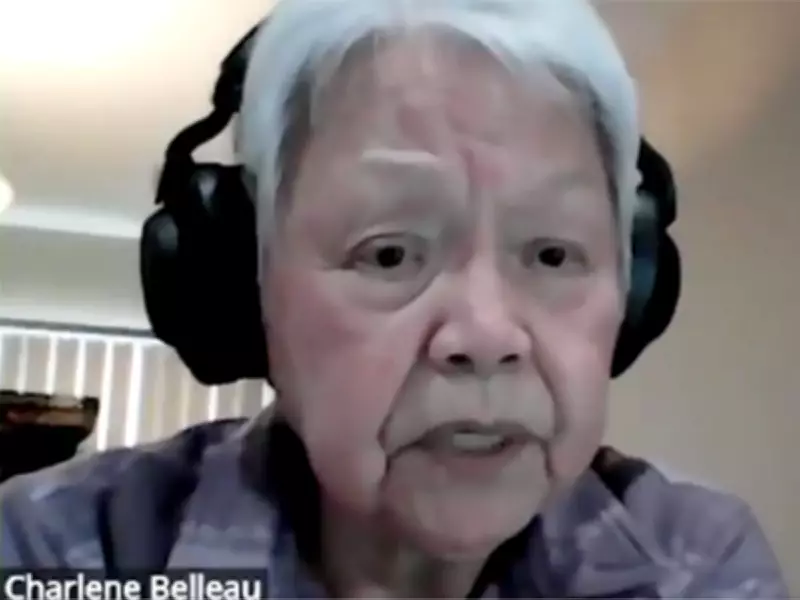
The University of British Columbia has issued a statement distancing itself from inflammatory comments made by a First Nations elder during a recent virtual event hosted by the institution. The controversy centers on remarks by Charlene Belleau, an elder from the Esk'etemc First Nation in British Columbia, who expressed violent wishes toward academic Frances Widdowson during a discussion organized through UBC's Faculty of Medicine.
Violent Language Sparks Outrage
During the virtual event titled "My name is Charlene: Perseverance and poise in an era of truth, reconciliation, anger and rage," Belleau recounted a previous encounter with Widdowson, stating: "I told her: 'I wish our people could grab you, drag you over to the Kamloops residential school, put you into the basement, speak our language to you — nothing but Secwepemctsín — beat you, rape you, hurt you. And maybe you'd understand what our people went through.'"
The event was organized by Derek Thompson, UBC's Indigenous initiatives advisor, and hosted through the university's "Office of Respectful Environments, Equity, Diversity and Inclusion." Despite the office's name suggesting a commitment to respectful discourse, the university now finds itself navigating the fallout from these disturbing comments.

University's Response and Academic Freedom Concerns
In response to inquiries from media outlets, Mieke Koehoorn, vice dean of academic affairs for UBC's Faculty of Medicine, stated: "The UBC faculty of medicine does not condone any speech that endorses or promotes harassment or violence of any kind. An invitation for a community member to participate in an event does not constitute endorsement of their specific remarks or views."
However, the university declined to address whether Belleau would be asked to apologize or whether similar statements would be tolerated from non-Indigenous speakers at university events. This selective response has raised questions about consistency in applying standards of conduct across different speakers and communities.
Background of the Conflict
The tension between Belleau and Widdowson stems from fundamentally different perspectives on Canada's residential school legacy. Belleau has been a long-time activist focused on the generational harms inflicted by residential schools, particularly advocating for claims made by the Tkʼemlúps te Secwépemc (formerly Kamloops Indian Band) regarding alleged unmarked graves at the former Kamloops Residential School site.
Widdowson, a former Mount Royal University professor specializing in economics and Indigenous policy, has consistently questioned the validity of these claims, noting that ground-penetrating radar surveys have not yet confirmed the remains of missing children. Her skeptical approach has made her a controversial figure in discussions about Indigenous history and reconciliation efforts.
Academic Freedom and Free Expression Debates
Despite the violent nature of Belleau's comments, Widdowson herself has defended the elder's right to free expression. In an interview, Widdowson stated: "I don't think they're a threat. I think there's a lot of comments about how she should be charged and punished in various ways, and I'm opposed to that, because I think people should be able to speak freely about everything, as long as they don't incite violence or engage in threats."
Nevertheless, Widdowson criticized UBC as "an absolute disgrace" for what she perceives as a failure to uphold commitments to open academic debate. She revealed that she and Chawathil First Nation Chief Aaron Pete have repeatedly offered to participate in open debates about Indigenous unmarked graves at UBC and other universities, only to be consistently rejected.
Broader Implications for University Discourse
This incident highlights several critical issues facing Canadian universities:

- The challenge of balancing respect for Indigenous perspectives with maintaining standards of civil discourse
- Questions about whether different standards apply to speakers from different backgrounds
- The tension between free expression principles and creating genuinely respectful environments
- The ongoing debate about how universities should handle controversial historical claims
The controversy comes at a sensitive time for Canadian institutions navigating truth and reconciliation processes while maintaining academic integrity and freedom of expression. As universities increasingly host difficult conversations about colonial history, this incident demonstrates the complex challenges institutions face in facilitating dialogue while preventing discourse from devolving into personal attacks or violent rhetoric.
Neither Belleau nor Thompson could be reached for comment through their publicly available contact information, leaving unanswered questions about whether the elder stands by her remarks or whether she believes they advanced the cause of truth and reconciliation she advocates for.