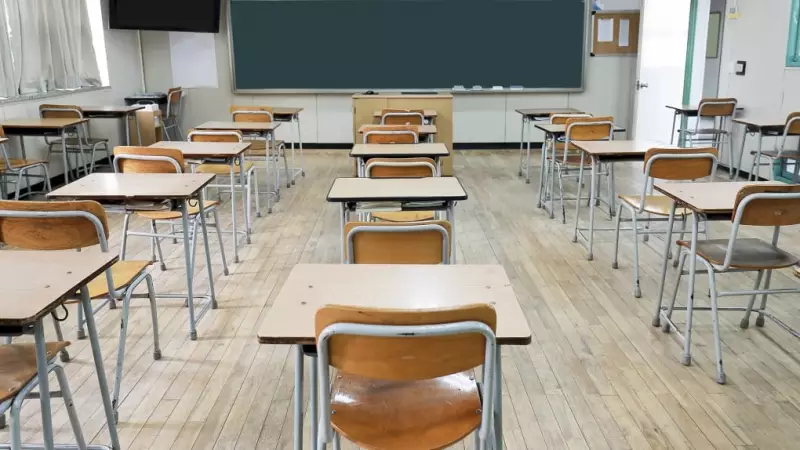
Arctic Blast Forces Manitoba School Closures Amid Extreme Cold
A powerful surge of frigid air has descended upon Manitoba, prompting numerous school districts to announce closures as a precautionary measure against the dangerously low temperatures. This sudden cold snap, arriving in late January, has disrupted the academic schedules of thousands of students across the province, highlighting the ongoing challenges that severe winter weather poses to educational institutions in Canada's prairie regions.
Safety Concerns Drive Preemptive Decisions
School administrators and local authorities have cited significant safety concerns as the primary reason for the closures. With wind chill values expected to reach hazardous levels, the risk of frostbite and hypothermia for children waiting at bus stops or walking to school has become a critical issue. Many districts have implemented their extreme weather protocols, which mandate closures when temperatures or wind chills fall below specific thresholds, typically around -35 to -40 degrees Celsius.
The closures affect both urban centers like Winnipeg and rural communities throughout Manitoba, demonstrating the widespread nature of this Arctic outbreak. Parents and guardians have been advised to monitor official communications from their respective school divisions for updates on reopening plans, which will depend on improvements in weather conditions and safety assessments.

Impact on Educational Continuity and Community Response
These unplanned closures inevitably disrupt the flow of classroom instruction and extracurricular activities, forcing educators to adapt lesson plans and potentially extend the school year to make up for lost time. For many families, the sudden announcement also creates logistical challenges, particularly for working parents who must arrange alternative childcare at short notice.
Community organizations and some employers have stepped in to provide support where possible, but the situation underscores the broader societal impacts of extreme weather events on daily life. The provincial government has acknowledged the disruptions, emphasizing that student and staff safety remains the top priority during such severe weather episodes.
Historical Context and Climate Considerations
While winter school closures are not uncommon in Manitoba, the frequency and intensity of such events have drawn increased attention in recent years. Climate scientists note that while overall global temperatures are rising, parts of Canada may experience more volatile weather patterns, including intense cold spells, as a result of broader atmospheric changes.
This particular cold snap serves as a reminder of the importance of robust emergency preparedness plans within educational systems. Schools across the province regularly review and update their policies to balance the need for consistent education with the imperative of protecting young people from potentially dangerous environmental conditions.
As the Arctic air mass continues to affect the region, meteorologists advise residents to limit outdoor exposure, dress in layers, and check on vulnerable neighbors. The school closures, while disruptive, represent a necessary response to ensure community safety during this period of extreme winter weather in Manitoba.