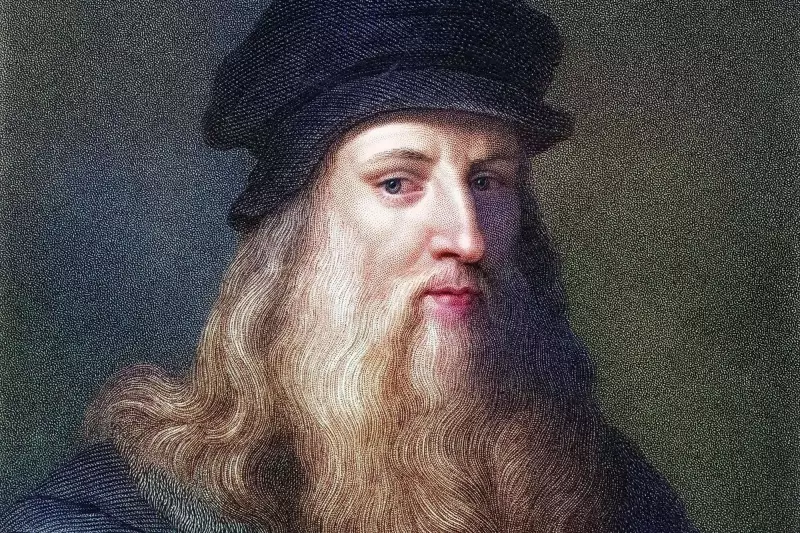
In a revelation that bridges the worlds of Renaissance art and cutting-edge science, researchers have proposed a fascinating possibility: the genetic blueprint of Leonardo da Vinci himself may be concealed within his masterpieces.
The Scientific Hypothesis Behind the Brushstrokes
The theory, published on January 16, 2026, suggests that microscopic biological material—including skin cells, hair, or saliva—could have been unintentionally embedded in the paint and varnish of da Vinci's works centuries ago. As the legendary polymath mixed paints, handled brushes, and perhaps even sneezed or breathed closely over his canvases, he may have left behind traces of his DNA.
This potential genetic time capsule, if it exists and can be recovered, would represent an unprecedented direct link to one of history's greatest minds. The research indicates that advanced, non-invasive sampling techniques developed for forensic and archaeological purposes could theoretically be adapted to carefully extract this material without damaging the priceless artworks.

Implications for Art History and Beyond
If successful, recovering Leonardo's DNA would have profound implications. It could help authenticate disputed works, providing a definitive biological signature. Beyond authentication, scientists could gain insights into his physical characteristics, health predispositions, and even ancestral origins, painting a more complete picture of the man behind the Mona Lisa's smile.
Furthermore, the research opens a new field of "genetic art history," where the biological traces of artists, their apprentices, and even their models could be studied. This could answer long-standing questions about studio practices, collaborations, and the physical environments in which great works were created.
Ethical and Technical Challenges Ahead
The proposal is not without significant hurdles. The primary concern is the ethical and physical risk of sampling irreplaceable cultural treasures. Any technique would require absolute certainty of causing zero damage. Furthermore, centuries of environmental exposure, restoration work, and handling may have degraded or contaminated any original biological material.
Researchers acknowledge that this remains a hypothesis at the frontier of science. The next steps involve rigorous testing on less valuable historical artifacts to refine the extraction and sequencing methods before even considering an application to a da Vinci original.
Nevertheless, the very possibility underscores how modern technology continues to offer new lenses through which to view our past, promising to unlock secrets that have been hiding in plain sight for over 500 years.