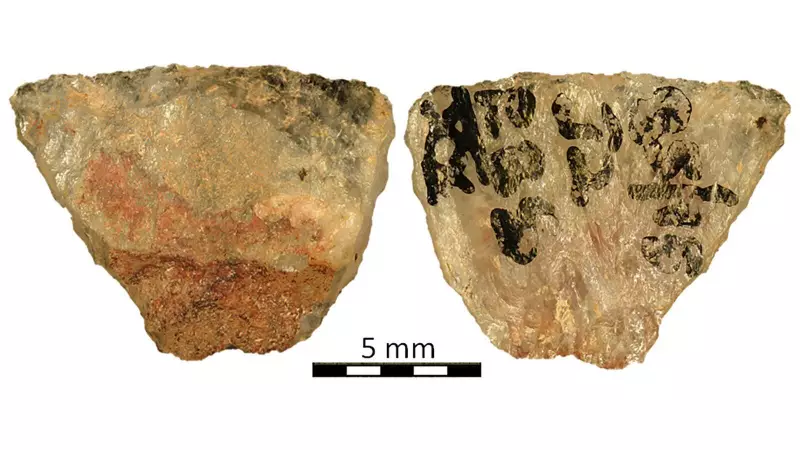
In a discovery that rewrites our understanding of early human ingenuity, scientists have confirmed the oldest known use of poison-tipped arrows. Arrowheads dating back approximately 60,000 years, found in South Africa, bear traces of potent plant-based toxins, revealing a sophisticated hunting technology used by ancient hunter-gatherers.
A Toxic Discovery from the Stone Age
The groundbreaking analysis was performed on stone artifacts recovered from archaeological sites. Researchers, using advanced residue detection techniques, identified toxic compounds from plants on the sharp tips of the arrows. This finding pushes back the timeline for the use of poison in hunting by tens of thousands of years, offering a stunning glimpse into the cognitive capabilities of early Homo sapiens in southern Africa.
Previously, evidence for such complex chemical weaponry was far more recent. The identification of these toxins suggests that these ancient peoples possessed detailed botanical knowledge, understanding how to extract and apply lethal substances to gain a significant advantage in hunting large or dangerous prey. The research was led by experts including Marlize Lombard from the University of Johannesburg.

Implications for Human Evolution and Technology
This discovery is more than just a record of old weapons; it's a window into the mind of our ancestors. The deliberate crafting of poison arrows indicates multi-step planning, innovation, and the transmission of complex knowledge across generations. It represents a significant technological leap, likely improving hunting efficiency and safety.
The use of poison transforms a simple pointed projectile into a far more effective tool. Even a non-lethal hit could eventually incapacitate an animal through the toxin's effects, allowing hunters to track and secure their quarry. This strategic use of resources underscores the adaptive intelligence that characterized human groups during this era.
Redefining Ancient Capabilities
The find, reported in early January 2026, fundamentally alters the archaeological narrative. It proves that 60,000 years ago, humans were not just using tools, but engineering them with biological additives. This level of sophistication was previously attributed to much later periods in human history.
The South African landscape, rich in archaeological treasures, continues to be a crucial area for understanding human origins. This discovery of poisoned arrowheads adds a critical piece to the puzzle of how early humans interacted with their environment, managed risk, and developed the complex technologies that would eventually spread across the globe.
As research continues, scientists hope to identify the specific plant species used, which will further illuminate the ecological relationship between these ancient communities and the flora of prehistoric South Africa.