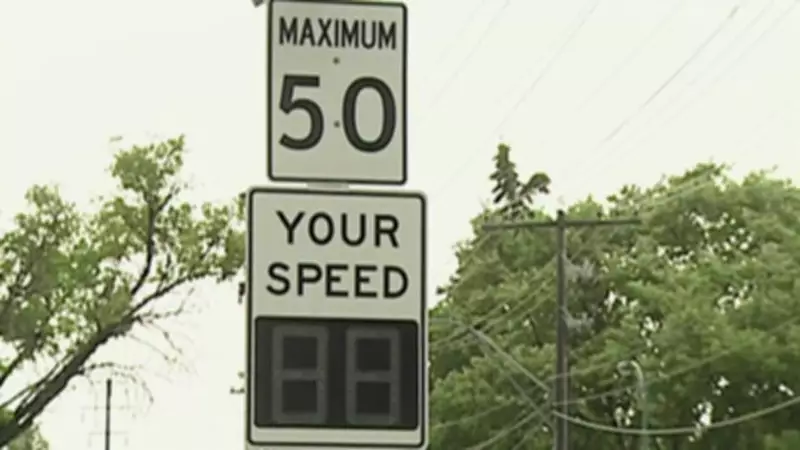
The City of Winnipeg is poised to consider a significant change to its traffic regulations, with a formal recommendation now before council to lower the default speed limit across residential and local streets from 50 km/h to 40 km/h. This proposal aims to bolster pedestrian safety and mitigate traffic-related incidents in urban neighborhoods.
Proposal Details and Rationale
The recommendation, submitted to Winnipeg's city council, advocates for a comprehensive reduction in the default speed limit on all non-arterial roads. Proponents argue that lowering speeds to 40 km/h could substantially decrease the severity and frequency of collisions, particularly those involving vulnerable road users such as pedestrians and cyclists. Studies cited in the proposal indicate that a 10 km/h reduction can lead to a marked improvement in survival rates during accidents.
Potential Impacts on Commuting and Safety
If approved, this change would affect numerous residential areas and local thoroughfares throughout Winnipeg. While some residents may express concerns about increased travel times, city officials emphasize that the primary goal is to create safer streets for all users. The proposal aligns with broader urban safety initiatives seen in other Canadian municipalities that have adopted similar measures to protect communities.

Council members are expected to review the recommendation thoroughly, considering public feedback and traffic data. A decision could be reached in the coming months, with implementation potentially rolling out in phases to allow for public awareness campaigns and adjustments to signage.
Broader Context and Community Response
This move follows a growing trend among North American cities to prioritize safety over speed in residential zones. Advocates for the lower limit highlight that slower speeds not only reduce accident risks but also contribute to quieter, more livable neighborhoods. However, some critics may argue about the necessity and enforcement challenges of such a change.
As Winnipeg grapples with this proposal, the outcome will likely influence future traffic policies and urban planning decisions across the region. The council's deliberation will be closely watched by residents and policymakers alike, marking a pivotal moment in the city's approach to road safety.