Winnipeg Motorists Confront Steep Increases in Fuel Expenses
Residents of Winnipeg are experiencing significant financial strain as the costs of gasoline and diesel continue to rise sharply. This upward trend in fuel prices is placing additional pressure on household budgets, affecting daily commuting and transportation needs throughout the Manitoba capital.
Current Fuel Price Landscape in Winnipeg
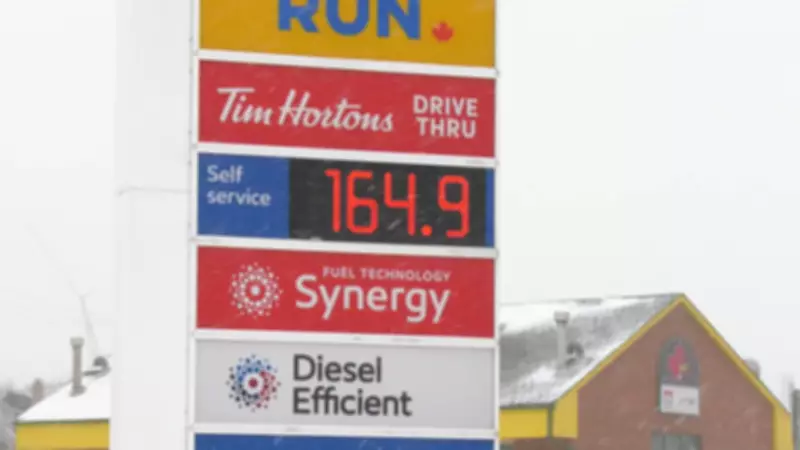
As of March 17, 2026, reports indicate that gasoline prices in Winnipeg have reached levels exceeding $1.64 per litre. This notable increase represents a substantial jump from previous rates, contributing to heightened concerns among local drivers. The surge in diesel prices is similarly impacting commercial and personal vehicle operators, exacerbating the overall economic burden on the community.
Factors Driving the Price Hikes
Several elements are influencing the current fuel price escalation in Winnipeg. Market fluctuations, supply chain dynamics, and regional economic conditions are all playing roles in this development. Additionally, broader national and international trends in the energy sector may be contributing to the local price adjustments observed in Manitoba.

The impact of these rising costs extends beyond individual drivers, potentially affecting transportation-dependent businesses and services throughout Winnipeg. From delivery companies to public transit systems, the increased fuel expenses could lead to operational challenges and possible price adjustments for consumers.
Community Response and Adaptation Strategies
Winnipeg residents are exploring various approaches to mitigate the effects of higher fuel prices. Some are considering alternative transportation methods, such as carpooling or increased use of public transit, while others are adjusting their driving habits to conserve fuel. Local authorities and community organizations may need to address these economic pressures through supportive measures or informational campaigns.
The situation underscores the interconnected nature of energy costs and urban living, highlighting how fuel price changes can ripple through multiple aspects of daily life in Winnipeg. As drivers navigate these challenging circumstances, monitoring price trends and exploring fuel-efficient practices become increasingly important for managing transportation expenses.
Looking ahead, continued observation of fuel market developments will be essential for Winnipeg motorists seeking to adapt to the evolving economic landscape. The community's resilience and adaptability will play crucial roles in addressing the ongoing challenges posed by rising gas and diesel prices in Manitoba's largest city.