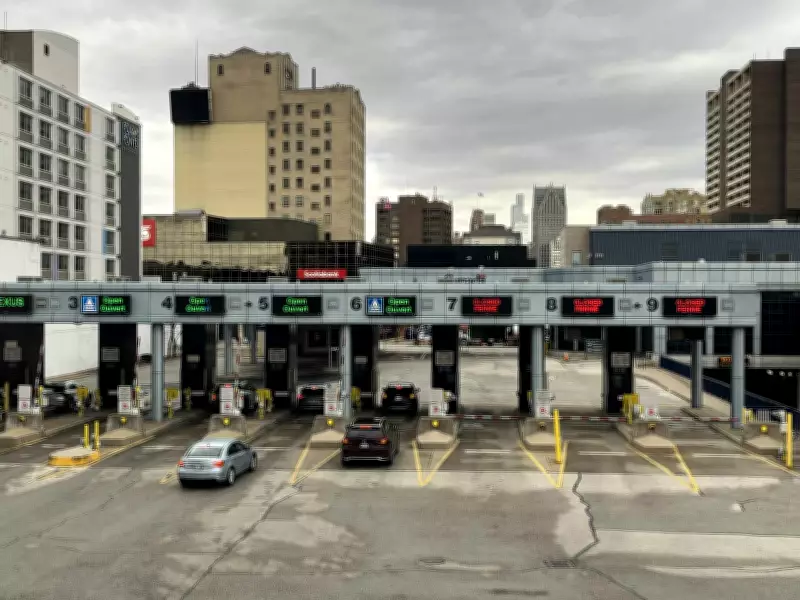
Windsor Tunnel Traffic Defies National Decline in U.S. Travel
A recent survey has revealed a notable decrease in the number of Canadians planning trips to the United States, yet traffic through the Windsor-Detroit Tunnel continues to hold steady, showcasing a unique regional resilience amid broader travel shifts. This contrast underscores the complex dynamics of cross-border movement and local economic factors in Windsor, Ontario.
Survey Highlights Decline in Cross-Border Travel
The survey, conducted in early 2026, suggests that fewer Canadians are opting to travel south of the border, potentially due to factors such as economic conditions, passport issues, or changing travel preferences. This trend aligns with national data pointing to a slowdown in international excursions, but the Windsor area appears to be an exception to the rule.
Despite the overall dip, the Windsor-Detroit Tunnel has maintained consistent traffic levels, indicating that local commuters, businesses, and tourists continue to rely on this vital corridor. The tunnel, a key link between Canada and the U.S., serves as a critical artery for trade, tourism, and daily transit, with its stability reflecting the enduring ties between Windsor and Detroit.

Factors Behind Windsor's Steady Traffic
Several elements may contribute to the tunnel's resilience. First, the proximity of Windsor to Detroit fosters a strong cross-border community, with many residents working, shopping, or visiting family on either side. This daily interaction helps sustain traffic even as broader travel patterns shift.
Second, economic activities in the region, such as manufacturing and logistics, depend on seamless border crossings, ensuring a steady flow of commercial vehicles. Additionally, local events and attractions in both cities may draw consistent visitor numbers, buffering against national declines.
Implications for Regional and National Trends
The stability of Windsor tunnel traffic offers insights into how localized factors can counteract national trends. While the survey points to a reduction in U.S. travel overall, this case highlights the importance of considering regional specifics in transportation and economic analyses.
- Cross-border infrastructure like the Windsor-Detroit Tunnel remains crucial for binational relations.
- Local economies may be less affected by broader travel downturns due to entrenched cross-border habits.
- Future policies should account for such regional variations to support sustainable travel and trade.
As travel patterns evolve, monitoring points like the Windsor tunnel will be essential for understanding the full picture of Canadian-U.S. mobility. This steadiness amidst decline serves as a reminder of the enduring connections that define border communities.