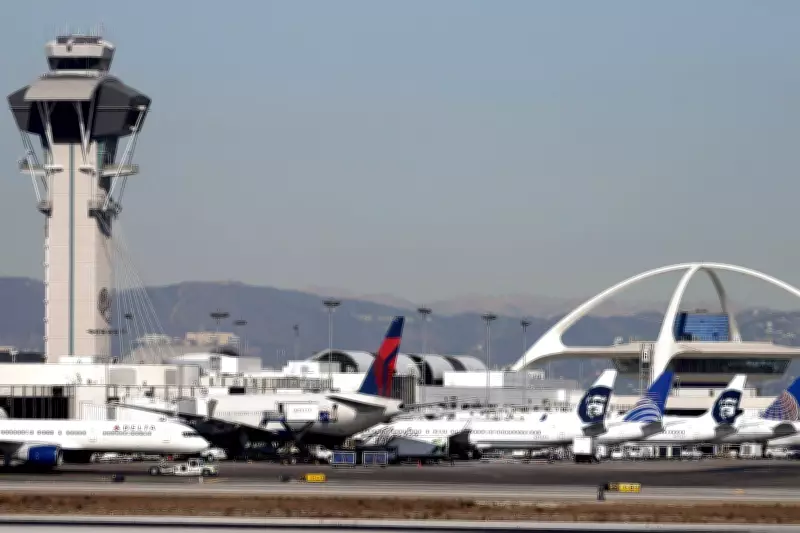
A United Airlines flight was compelled to make an urgent return to Los Angeles International Airport (LAX) on March 2, 2026, following reports of a fire onboard, leading to a full emergency evacuation of passengers and crew. The incident underscores the critical importance of swift response protocols in aviation safety.
Emergency Response and Evacuation Procedures
According to official reports, the flight departed from LAX but had to turn back shortly after takeoff when crew members detected signs of a fire. Emergency services were immediately alerted, and the aircraft landed safely at the airport. Upon arrival, all individuals on board were evacuated using emergency slides as a precautionary measure, with no injuries reported among passengers or crew.
Investigation and Safety Measures
Authorities have launched an investigation into the cause of the reported fire, with initial assessments focusing on potential mechanical or electrical issues. United Airlines has stated that they are cooperating fully with the investigation and reviewing their safety procedures to prevent future occurrences. This event highlights the rigorous training and preparedness of airline staff in handling such emergencies.

Aviation experts emphasize that while such incidents are rare, they demonstrate the effectiveness of modern safety protocols. The quick return and evacuation at LAX minimized risks, showcasing the resilience of the aviation industry in managing unforeseen challenges.
Impact on Operations and Passenger Safety
The incident caused temporary disruptions at LAX, with some flights delayed as emergency teams responded. However, airport operations resumed normally within hours. Passengers from the affected flight were provided with alternative travel arrangements and support services by United Airlines.
This event serves as a reminder of the continuous efforts in the aviation sector to prioritize passenger safety through advanced technology and rigorous emergency drills. As investigations continue, stakeholders are keen to implement any necessary improvements to enhance flight safety standards globally.