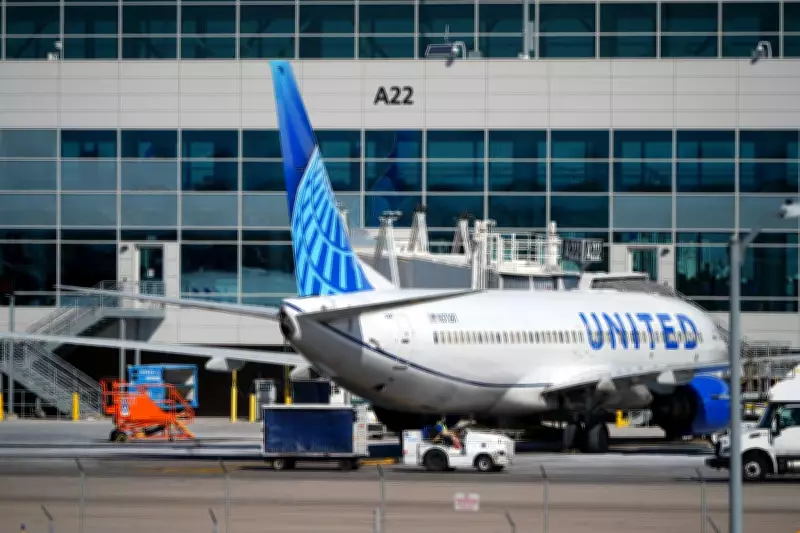
A potential mega-merger between United Airlines and American Airlines is under intense scrutiny, with analysts warning it could drive up airfares for travelers across North America. The deal, which would create one of the world's largest airline conglomerates, faces formidable antitrust roadblocks from U.S. regulatory bodies concerned about reduced competition in the aviation sector.
Regulatory Hurdles and Consumer Impact
Antitrust experts predict that the proposed United-American consolidation will trigger a rigorous review by the Department of Justice and the Federal Trade Commission. Historically, such large-scale airline mergers have faced opposition due to fears of market dominance leading to higher ticket prices and diminished service quality. The combined entity would control a substantial share of domestic and international routes, potentially limiting consumer choices.
Economic Implications for Travelers
Industry observers note that reduced competition typically results in fare increases, as fewer airlines vie for passengers on popular routes. This merger could particularly affect hubs like Denver International Airport, where United maintains a significant presence. Travelers might see price hikes on both business and leisure flights, with budget-conscious flyers potentially bearing the brunt of the changes.

Broader Industry Context
The aviation sector has experienced consolidation over the past decades, with previous mergers like Delta-Northwest and United-Continental reshaping the competitive landscape. This new proposal comes amid fluctuating fuel costs, labor negotiations, and post-pandemic recovery efforts, adding complexity to the regulatory assessment. Airlines argue that mergers enhance operational efficiency and network reach, but critics counter that these benefits rarely trickle down to consumers in the form of lower fares.
As the deal progresses, stakeholders including consumer advocacy groups, labor unions, and competing airlines are expected to voice their positions during regulatory hearings. The outcome could set a precedent for future consolidation in the transportation industry, influencing how antitrust authorities evaluate market concentration versus corporate growth strategies.