Toronto Braces for 2026 FIFA World Cup Traffic Surge with Proactive Measures
As Toronto prepares to host matches for the 2026 FIFA World Cup, city officials are forecasting a significant increase in downtown vehicular traffic, with estimates suggesting up to a 15% rise during the tournament. This anticipated surge has prompted the development of a comprehensive traffic management plan aimed at minimizing disruptions and ensuring smooth mobility for residents and visitors alike.
Stadium Upgrades and Infrastructure Readiness
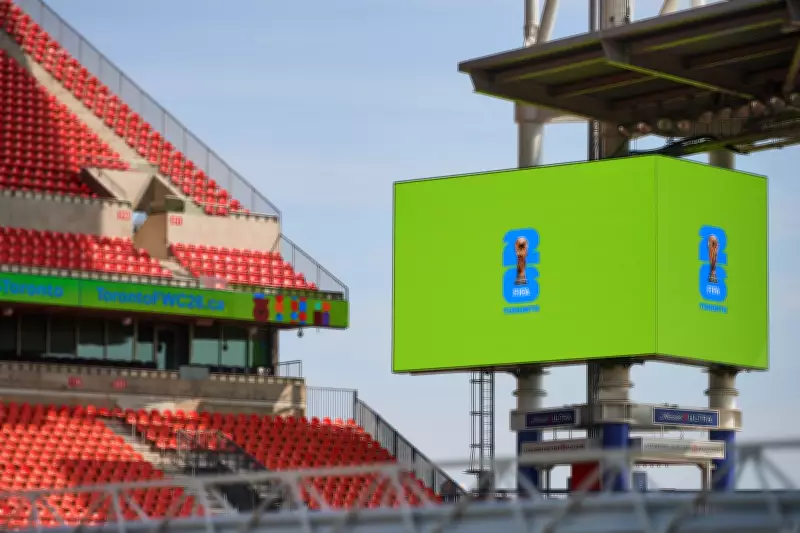
Field work is currently underway at BMO Field, where the City of Toronto and Maple Leaf Sports & Entertainment (MLSE) are completing the initial phase of upgrades to transform the venue into the Toronto Stadium for the World Cup. These enhancements, documented in September 2025, include improvements to accessibility, seating, and facilities to meet FIFA standards. The renovations are a critical component of the city's broader strategy to accommodate the influx of fans and media expected during the event.
Traffic Mitigation Strategies
To address the projected 15% increase in vehicles on downtown roads, Toronto is implementing a multi-faceted approach. Key elements of the plan include:

- Enhanced Public Transit: Expanding service on subways, buses, and streetcars to provide reliable alternatives to driving.
- Traffic Flow Optimization: Adjusting signal timings and deploying traffic management personnel to key corridors.
- Parking Management: Designating specific areas for event parking and encouraging off-site options to reduce congestion.
- Promotion of Active Transportation: Encouraging walking and cycling through improved infrastructure and bike-sharing programs.
These measures are designed to not only manage the immediate impact of the World Cup but also leave a lasting legacy of improved urban mobility.
Broader Context and Community Impact
The traffic plan is part of a larger effort to ensure the World Cup's success while minimizing negative effects on daily life in Toronto. City officials emphasize that the strategies will be continuously monitored and adjusted based on real-time data during the tournament. Public awareness campaigns will inform residents and businesses about expected traffic patterns and alternative routes.
By proactively addressing the traffic challenges, Toronto aims to showcase its capability as a host city, leveraging the World Cup as an opportunity to enhance its transportation infrastructure and promote sustainable urban development. The success of these initiatives will be crucial in managing the anticipated surge and maintaining the city's reputation as a vibrant, accessible metropolis.