Toronto Commits to Stable Transit Fares Amid FIFA World Cup 2026
In a significant move that sets it apart from other host cities, Toronto has announced it will not raise transit fares during the upcoming FIFA World Cup 2026. This decision comes as numerous host locations globally are preparing to implement substantial price increases for public transportation to venues, aiming to capitalize on the influx of visitors.
A Contrast to Global Trends
While cities worldwide are leveraging the event to boost revenue through fare hikes, Toronto's stance emphasizes accessibility and affordability for both residents and tourists. The city's transit authorities have confirmed that standard fares will remain unchanged throughout the tournament, ensuring seamless and cost-effective travel to matches and related events.
This policy aligns with Toronto's broader strategy to enhance the fan experience without imposing financial burdens. By maintaining stable fares, the city aims to reduce congestion, promote sustainable travel, and support local businesses that benefit from increased foot traffic.

Infrastructure Upgrades and Preparations
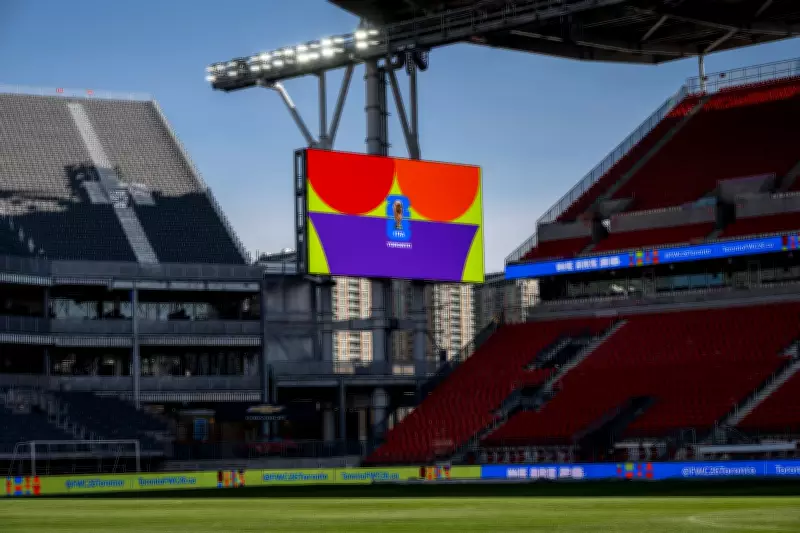
Toronto has been actively upgrading its infrastructure in anticipation of the World Cup. Notable improvements include the installation of four giant LCD screens around the pitch at BMO Field, as part of stadium enhancements to host six matches. These upgrades are designed to provide an immersive viewing experience, complementing the city's transit initiatives.
Officials highlight that keeping fares steady is a proactive measure to avoid the pitfalls seen in past mega-events, where price surges led to public backlash and logistical challenges. Toronto's approach reflects a commitment to long-term urban planning, prioritizing community welfare over short-term gains.
Implications for Other Host Cities
Toronto's decision may pressure other host cities to reconsider their fare increase plans. As debates over equitable access to major events intensify, this move sets a precedent for balancing economic opportunities with social responsibility. Experts suggest that such policies could influence future event hosting criteria, emphasizing inclusivity and public service.
In summary, Toronto's refusal to hike transit fares during the FIFA World Cup 2026 underscores its dedication to fostering a welcoming and accessible environment. This stance not only benefits attendees but also reinforces the city's reputation as a forward-thinking host committed to sustainable and equitable urban development.