Survivors Recount Harrowing Moments After Deadly LaGuardia Airport Collision
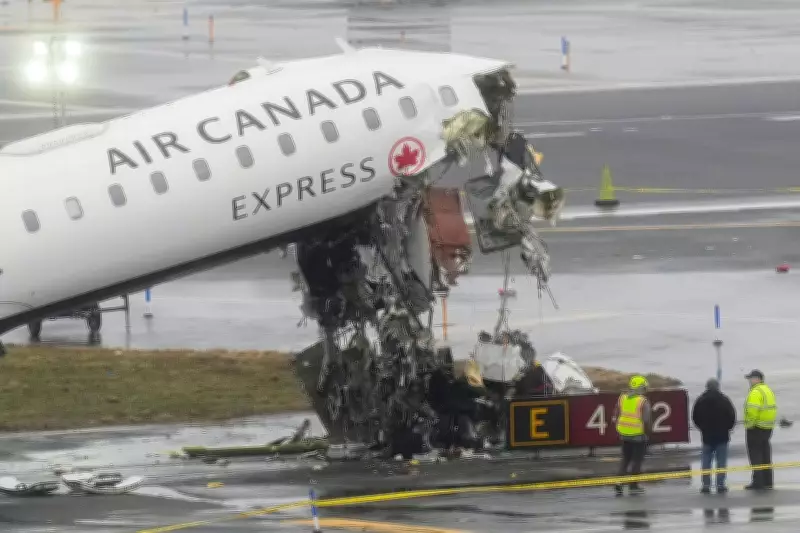
Stories of survival are emerging from the wreckage of a catastrophic collision at New York's LaGuardia Airport, as federal and local officials intensify their investigation into the incident's cause. The tragic event, which occurred on the evening of Sunday, March 22, 2026, involved an Air Canada jet that had just landed and a Port Authority firetruck, resulting in multiple fatalities and injuries.
Chaos on the Tarmac
According to preliminary reports from the National Transportation Safety Board (NTSB), the Air Canada flight was taxiing after a routine landing when it collided with the emergency vehicle near a terminal. The impact was severe, with the aircraft sustaining significant damage to its fuselage and landing gear, while the firetruck was crushed. Eyewitnesses described a scene of chaos, with emergency responders rushing to the site within minutes.
"It was like something out of a nightmare," said one passenger who survived the crash. "We felt a huge jolt, and then there was smoke and confusion. People were screaming, but the crew did an amazing job keeping us calm and helping us evacuate." This account highlights the quick actions of flight attendants and pilots in the moments following the collision, which may have prevented further casualties.

Victims Identified as Investigation Deepens
Authorities have confirmed that the pilots of the Air Canada jet, identified as a Quebec man and a Seneca College graduate, were among those killed in the crash. Their identities have been withheld pending family notifications, but sources indicate both were experienced aviators with clean safety records. The Port Authority has also reported fatalities among the firetruck crew, though details remain scarce as next of kin are informed.
Investigators from the NTSB, along with the Federal Aviation Administration (FAA), are now combing through the wreckage, reviewing air traffic control communications, and interviewing survivors to determine what led to the collision. Key focuses include whether there were any mechanical failures, human errors, or communication breakdowns between the airport ground control and the vehicles involved.
Safety Protocols Under Scrutiny
This incident has raised urgent questions about airport safety protocols at LaGuardia, one of the busiest airports in the United States. In recent years, the airport has undergone significant renovations to modernize its infrastructure, but this crash underscores potential vulnerabilities in ground operations. Aviation experts note that collisions between aircraft and ground vehicles, while rare, can have devastating consequences due to the high speeds and masses involved.
"Every airport has strict procedures for vehicle movement on the tarmac, but accidents like this suggest a breakdown somewhere in the chain," commented an aviation safety analyst. "The investigation will likely look at training, signage, and technology used to prevent such tragedies." The Port Authority of New York and New Jersey, which operates LaGuardia, has pledged full cooperation with the probe and announced a review of its own safety measures.
Broader Implications for Aviation
As the investigation unfolds, this crash is drawing attention to broader issues in aviation safety, including the increasing congestion at major airports and the challenges of coordinating between multiple agencies. The NTSB is expected to release preliminary findings in the coming weeks, which could lead to recommendations for enhanced safety standards nationwide.
In the meantime, survivors and families of the victims are receiving support from airlines and local authorities, while the aviation community mourns the loss of dedicated professionals. This tragic event serves as a stark reminder of the risks inherent in air travel and the critical importance of vigilance in every aspect of airport operations.