A growing stream of stranded oil is making its way out of the Strait of Hormuz while Kuwait said it will start ramping up production, as the United States-Iran interim peace deal sparks a flurry of activity that is already pushing Middle East flows toward pre-war levels.
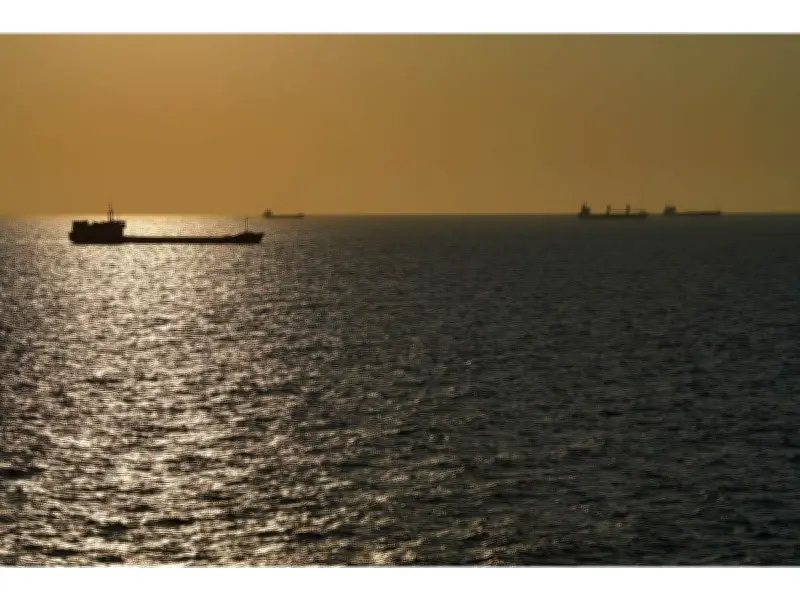
Ships carrying nearly 10 million barrels of oil have either emerged outside the strait or are sailing through, including the first Saudi-owned tankers since the start of the war. Qatar sent a cargo of liquefied natural gas through the waterway with its signal on, while another LNG vessel last seen outside the Persian Gulf appeared at a Qatari berth. Five Iran-linked ships have also entered the waterway, according to vessel tracking data compiled by Bloomberg.
When combined with millions of barrels already flowing through bypass pipelines, Thursday’s activity in Hormuz would put the shipments from the Middle East as close to normal levels as they have been since the war began. It is not clear if elevated volumes can be sustained or will be a one-off gush, but more ships are already attempting to leave and others are expected to do so in the coming days. The number could be even higher if some vessels have moved through without signals on.

Impact on Global Energy Markets
The exits represent the first step in what would be a months-long process to unwind the effects on global energy markets from the near-closure of the Strait of Hormuz, through which a fifth of the world’s oil and natural gas typically flows. There were already signs that Middle Eastern producers are moving to restart shuttered output, as Kuwait said it has started ramping up oil production.
Crude futures tumbled to around US$77 a barrel, touching the lowest level since the earliest days of the war. Energy prices spiked at the start of the conflict as industry experts warned the world was facing the biggest supply shock in history. However, markets had retreated even before the peace deal as China reduced its imports and U.S. exports surged.
Stranded Tankers Begin Moving
In recent weeks, millions of barrels a day had already been transiting dark prior to the signing of the deal, and Thursday’s increase in flows will mean that even more barrels from more than 100 stranded tankers inside the gulf are now gushing to markets. Speaking privately, one major western tanker owner said they expected their ships to start moving out in the coming days.
Dozens of tankers have been gathering outside the strait in anticipation of a reopening, and on Thursday at least four Saudi oil supertankers that had been idling in the Indian Ocean for weeks set sail toward the Gulf of Oman.
Cautious Optimism
Still, some parts of the shipping and oil industries remained cautious on Thursday, warning that it is still not clear how traffic would be managed and when or how any mines in the strait would be cleared. While both sides have said that the waterway would be fully opened without tolls for the 60 days covered in the memorandum of understanding between the U.S. and Iran, Tehran has repeatedly indicated its intention to retain some level of management over the strait.
For now, the exiting traffic is focused on laden ships that had been stranded for months. Once those have cleared, the key question will be whether traders start booking new cargoes, and whether owners are willing to send empty vessels back into the Gulf. The majority of inward journeys on Thursday appeared linked to Iran, and several shipbrokers and owners said that there is little sign of fresh cargoes being booked for loading yet.