Southwest Airlines Implements Controversial 'Extra Seat Policy' for Passengers
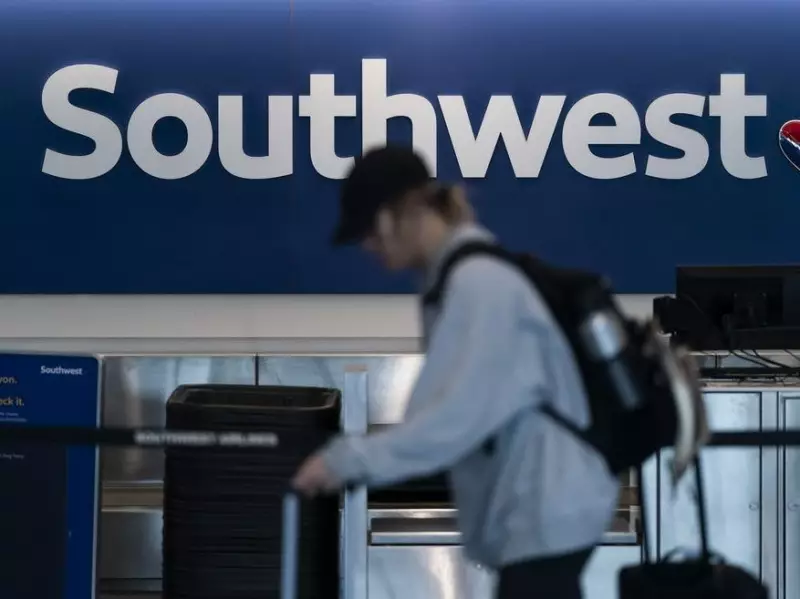
Southwest Airlines has officially rolled out its new "Extra Seat Policy" this week, marking a significant shift in how the airline accommodates passengers of size. The policy, which was first announced last year, requires travelers who cannot comfortably fit between their seat's armrests to purchase an additional ticket in advance of their flight.
Defining the New Boundaries
According to the airline's detailed guidelines, the armrest now serves as the definitive boundary between seats. Southwest explicitly states: "Customers who encroach upon the neighbouring seat(s) should proactively purchase the needed number of seats prior to travel to ensure the additional seat is available." The policy further clarifies that airline employees retain discretion to determine if an extra seat is necessary for safety purposes during boarding.
The implementation represents a departure from Southwest's previous "Customer of Size" policy, which allowed plus-size passengers to either proactively purchase an additional seat with refund options or request a complimentary extra seat at the airport. Under the new regulations, passengers who haven't reserved an extra seat but are deemed to need one will only receive a complimentary seat if space is available on the flight.

Refund Procedures and Rebooking Scenarios
Southwest has established specific protocols for passengers who purchase additional seats:
- The second seat may be refundable if the flight is not fully booked
- Both tickets must be booked in the same fare class to qualify for refunds
- Passengers must request refunds within 90 days of their completed trip
In situations where a flight is fully booked and a passenger requires an additional seat that hasn't been purchased in advance, the airline will attempt to rebook the traveler on a different flight with available seating. The policy explicitly warns: "If this determination is made after boarding, you may need to deplane for rebooking."
Mixed Reactions from Travelers and Advocates
The policy change has generated substantial controversy across social media platforms and travel communities. Critics have accused Southwest of implementing what they perceive as discriminatory practices against larger-bodied individuals.
One Reddit user commented on the airline's subreddit: "If Southwest doesn't want customers sitting on other customers then they should fix the seats on their planes. Decreasing the seat size and then adding this policy is predatory and disgusting." Another user expanded on this concern, noting: "It targets anyone who doesn't have a slim body. People with big muscles, wide shoulders, large arms, big butts, and other completely normal body types will be affected by this stupid policy."
However, some travelers have expressed support for the policy or shared how it has personally affected them. One passenger wrote: "Southwest changing their 'customer of size' policy is what finally kicked my ass into gear lol. 60 lbs down so far!" Others who have traditionally purchased two seats indicated they would continue this practice under the new guidelines.
Broader Context of Southwest's Policy Changes
This seat policy revision follows several other significant changes Southwest has implemented recently. Last May, the airline eliminated its popular "bags fly free" perk that allowed passengers two complimentary checked pieces of luggage regardless of ticket fare. The carrier also discontinued its open seating policy that previously enabled customers to choose their own seats upon boarding.
The "Extra Seat Policy" represents Southwest's latest effort to standardize procedures and potentially increase revenue streams, though it comes at the cost of alienating some passengers who feel targeted by the new regulations. As airlines continue to navigate the complex balance between profitability, safety, and passenger comfort, Southwest's approach will likely be closely watched by both industry competitors and consumer advocacy groups.

The policy's implementation raises important questions about accessibility, body inclusivity, and the evolving standards of commercial air travel in an era where passenger demographics continue to diversify. How Southwest addresses ongoing concerns and potentially refines these regulations will determine their long-term impact on customer loyalty and industry practices.