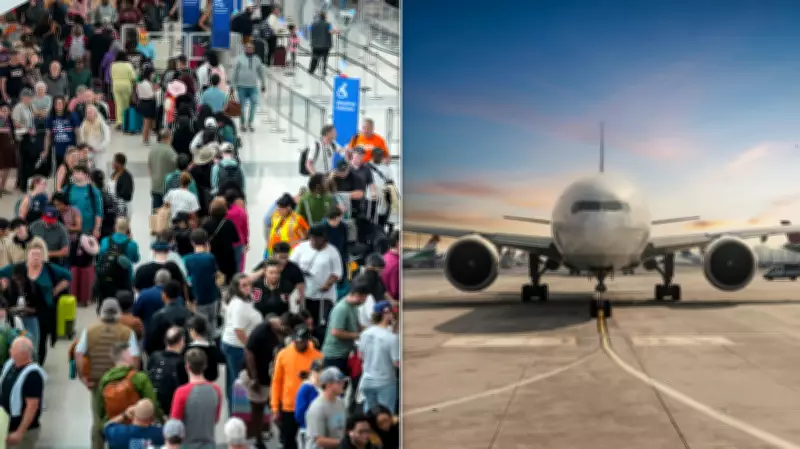
Government Shutdown Sparks Airport Chaos: TSA Staffing Crisis Worsens Travel Delays
The impact of the ongoing government shutdown is rippling through airports nationwide, creating a perfect storm of travel disruptions. Viral videos showing long, slow-moving security lines and crowded terminals are fueling significant concerns among travelers as staffing pressures mount.
"Air travel during a shutdown does not necessarily fail all at once," explained Christopher Anderson, professor of operations, technology and information management at Cornell University. "It becomes progressively more fragile as staffing pressure meets peak demand."
Staffing Crisis Deepens
With the shutdown now in its fourth week, travelers are experiencing major disruptions and delays due to critical staffing issues at Transportation Security Administration checkpoints.

"TSA screeners are about to miss their first full paycheck," said Paul Bernardini, head of marketing at flight tracking app Flighty. "As a result, more are taking time off, which will cause staffing gaps."
As the weeks stretch on, some TSA workers are calling out and seeking alternative sources of income to pay their bills. Those who receive other job offers may resign from the TSA entirely, leaving the agency even more short-staffed during one of the busiest travel periods of the year.
Bernardini noted that travelers should expect slower airport security to continue until there's a funding agreement to reopen the government. Travelers are already experiencing severe slowdowns at major airports including Atlanta, Charlotte, New Orleans, and Houston.
Spring Break Complicates Matters
"Spring break travel is also ramping up," said Jennifer Yellin, managing editor at Points Path, "which means more passengers heading to the airport."
This combination creates a perfect storm of springtime travel chaos. People flying amid the shutdown can anticipate potential security screening delays, rebooking friction, and unforeseen costs from disrupted itineraries.
"The long TSA lines travelers are seeing are really a symptom of a system with very little slack in it during one of the busiest leisure travel windows of the year," Anderson said. "Unfortunately, travelers can't control the shutdown, but they can control buffer time, preparation, and how quickly they respond if something goes wrong."
Expert Recommendations for Navigating Airport Chaos
There are concrete steps travelers can take to reduce stress and avoid missing flights during this challenging period. Here's what experts recommend.
Hope for the Best, Prepare for the Worst
Before your air travel journey begins, take time to gather all important logistical details and resources. Identify backup plan options, including alternate flight itineraries or even train alternatives if your original trip doesn't work out.
Anderson advised travelers to "have all the right information and contact numbers if they need to make sudden changes to travel." This preparation makes it easier to reach the correct customer service or help lines during disruptions.
"If you can avoid checking a bag, that can also save time," said Lauren Gumport, vice president of communications and brand at Faye Travel Insurance. "If you do get stuck at the airport, come prepared — bring a portable charger since outlets are usually taken, download shows or movies in advance, and pack something to read."
Arrive Earlier Than Usual
"Long TSA lines can build quickly, and when staffing is stretched, the usual 'two hours before a domestic flight' rule may not be enough," Gumport warned.
Travelers should pay close attention to airport guidance when making plans. "Give yourself a serious buffer," Bernardini emphasized. "Airports like Atlanta and New Orleans are telling travelers to arrive at least three hours early."

On peak spring break travel days, you might need even more time. "Show up earlier than usual," Yellin recommended. "While sitting at the airport for longer can be a nuisance, it's better than potentially missing your flight due to the long TSA lines. See if you have access to an airport lounge — which is a benefit of many premium credit cards — to occupy the time."
Monitor Security Wait Times
"Travelers should monitor airport security wait times before leaving home," Gumport advised. "The MyTSA app publishes estimated checkpoint wait times at airports across the U.S., which can help you decide when to head to the airport."
Many airport websites also provide up-to-date wait times. "Keep on top of waits with tools like MyTSA app to check historical checkpoint business and prepare for screening in advance," Anderson said. "Busy periods like this reinforce the utility of services like TSA PreCheck and Mobile Passport Control."
Book Strategically
"Book a flight earlier in the day," Yellin suggested. "As the day goes on, airports tend to see more delays amongst all airlines. An earlier flight time sometimes mitigates those delays."
Delays and congestion tend to compound throughout the day, so aim for flights during off-peak periods whenever possible. "Booking a flight during an off-peak time helps for a smoother airport experience — such as a flight out Tuesday morning versus Monday morning, which is a very popular travel time for business travel," Yellin explained.
Build Buffer Time Into Your Trip
"Build extra buffer time into connections, consider flexible tickets, and avoid booking important activities on the first day of your trip in case you arrive later than expected," Gumport recommended.
Research backup travel itineraries in case things go awry. This preparation can save significant stress and money if disruptions occur.
Consider Expedited Screening Programs
"Another way to get through security faster is to use an expedited screening program, such as TSA PreCheck or CLEAR," Yellin said. "While there's a cost associated with these programs, many credit cards reimburse the cost."
Cut down on time spent in lines by checking in for flights online and using kiosks to print checked bag tags when needed.
Research Travel Insurance Options
Consider buying travel insurance for extra peace of mind, especially for expensive bucket-list vacations involving numerous non-refundable bookings. Carefully compare plan options to choose the best coverage for your needs.
"Standard travel insurance doesn't cover government shutdown disruptions because at this point it's a known event, not an unforeseen one," Bernardini clarified. "Some companies offer CFAR — cancel for any reason — services and similar Disruption-For-Any-Reason protection that can help with refunds or rebooking if your airline doesn't cover it."
Although travel insurance can't prevent disruptions, it might ease some stress. In addition to covering non-refundable expenses like flights, hotels, tours, and change fees, travel insurance may offer certain convenience benefits.
Gumport noted that Faye policyholders can get free access to airport lounges for delays of three hours or more and reimbursement for meals and essentials for delays of six hours or more. If travelers arrive at least two hours before a flight and still miss it due to long TSA lines, they may also be eligible for cash benefits.
Check Your Credit Card Benefits
"It's also worth checking your credit card," Bernardini suggested. "Many premium travel cards include trip delay protection, and you may already be covered without knowing it."
Check whether the card you used to book your trip offers any protections. Always pay attention to the fine print to determine if you might want additional coverage.
"Some premium cards offer limited delay or interruption coverage, but those benefits are often more restricted than standalone travel insurance, and typically you must pay for all travel expenses on that card to qualify," Gumport explained.
Know Your Rights
Keep in mind that you have rights as an air passenger in the U.S., even amid a government shutdown. "If your flight gets canceled, the airline is required to refund your ticket," Bernardini stated.
Although the Trump administration scrapped a Biden-era Department of Transportation proposal that would have required airlines to compensate passengers for significant delays, the DOT website offers a guide outlining passengers' rights so travelers can advocate for themselves effectively.