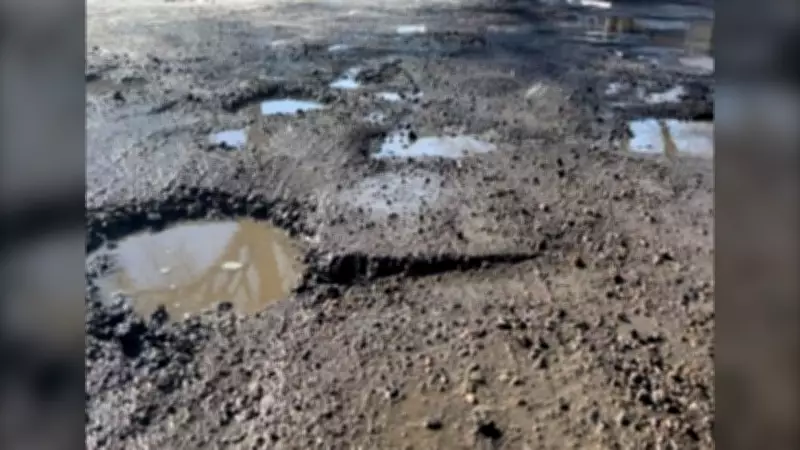
Saskatchewan's Most Problematic Roadways Identified in Annual CAA Survey
The Canadian Automobile Association has unveiled its 2026 list of Saskatchewan's top 10 worst roads, marking a significant shift in the organization's annual campaign strategy. This year's initiative places greater emphasis on educating drivers about safe navigation techniques while highlighting infrastructure concerns across the province.
Changing Focus Toward Safety Education
CAA officials have announced they are deliberately shifting the campaign's traditional focus from simply naming problematic roads to instead emphasizing how motorists can drive safely on challenging infrastructure. This strategic pivot reflects growing concerns about driver education and proactive safety measures in an era of increasing traffic volumes and aging transportation networks.
The annual survey, which collects input from thousands of Saskatchewan residents, continues to serve as a valuable barometer of public sentiment regarding road conditions. However, CAA representatives now stress that identifying problem areas represents only the first step in a broader conversation about transportation safety and infrastructure investment.

Infrastructure Challenges Across the Province
While the specific roads making this year's list have not been detailed in the initial announcement, historical data suggests they likely include a mix of:
- Urban thoroughfares with deteriorating pavement conditions
- Rural highways experiencing significant wear from agricultural traffic
- Roads with inadequate drainage systems leading to water damage
- Intersections with confusing signage or poor visibility
- Streets with insufficient maintenance during harsh winter months
The timing of this announcement coincides with broader transportation discussions happening across Canada, including Saskatchewan's own infrastructure planning and budget allocations for road maintenance and improvements.
Broader Transportation Context
This road safety campaign emerges alongside numerous other transportation developments across the country. In related news, Saskatchewan's Water Security Agency has predicted near-to-below-normal runoff for most of the province this spring, which could impact road conditions through reduced flooding but potentially increased dust and maintenance challenges on unpaved surfaces.
Meanwhile, transportation officials in other jurisdictions are addressing similar concerns. Ontario's Transportation Minister has announced that a specialized team is examining ways to prevent repeats of deadly flyover crashes, while restoration work has begun on the 112 Avenue bridge over Wayne Gretzky Drive in another province.
The CAA's refocused campaign represents a maturation of public safety advocacy, moving beyond simple complaint collection toward constructive dialogue about solutions. As Saskatchewan residents prepare for another year of varied driving conditions, this list serves as both a warning about specific trouble spots and an invitation to participate in broader transportation safety conversations.