Saskatchewan Widower Advocates for Rail Crossing Safety Improvements Following Tragic Loss
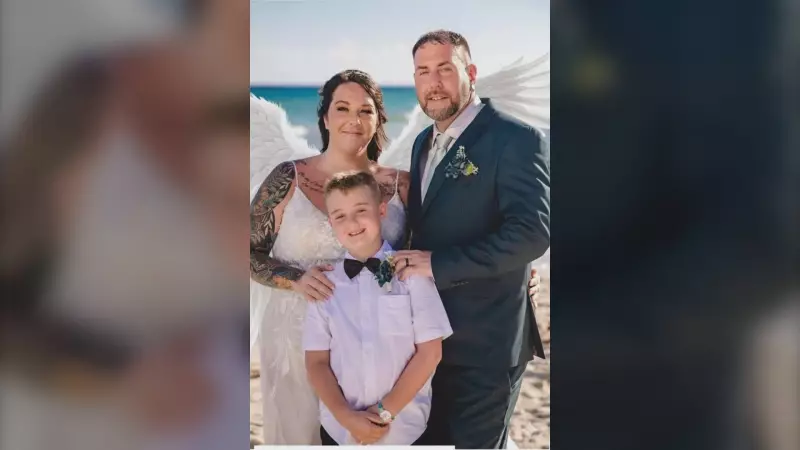
A Saskatchewan man is demanding immediate changes to railway crossing safety protocols after his wife died in a devastating collision at a rural rail crossing last December. Matthew Thompson of Regina lost his wife Alyssa when her vehicle was struck by a train at a rail crossing in Churchbridge, Saskatchewan on December 29, 2025.
A Life Cut Short
The Thompsons, who had been married just over a month after celebrating their wedding in Mexico in November 2025, were building a life together with their eight-year-old son. The family's future was tragically altered when Alyssa's vehicle was hit at the crossing, sparking what Matthew describes as an urgent need for improved safety measures at similar crossings throughout the province.
"This should never have happened," Thompson stated in an emotional interview. "The system failed my wife, and I won't rest until changes are made to prevent other families from experiencing this same heartbreak."

Safety Concerns at Rural Crossings
The incident has highlighted ongoing concerns about rail crossing safety in rural Saskatchewan communities. Churchbridge, located approximately 200 kilometers northeast of Regina, represents the type of crossing that Thompson believes requires immediate attention from both railway companies and provincial authorities.
Thompson's advocacy focuses on several key areas for improvement:
- Enhanced warning systems at rural crossings
- Improved visibility and signage
- Regular safety audits of high-risk crossings
- Community consultation about crossing safety concerns
Broader Transportation Safety Context
The tragedy occurs amid broader transportation safety discussions across Canada. While Thompson's case specifically addresses rail crossing safety, it intersects with ongoing national conversations about infrastructure maintenance, rural transportation networks, and emergency response protocols.
"We need to recognize that what happens in one community can happen in another," Thompson emphasized. "These aren't isolated incidents—they're symptoms of a system that needs comprehensive review and improvement."
Thompson has begun contacting provincial representatives and railway officials to discuss potential safety enhancements. His efforts represent a personal mission transformed into public advocacy, with the goal of creating lasting change that honors his wife's memory while protecting future travelers.
The Saskatchewan government has acknowledged receiving Thompson's concerns and indicated that rail crossing safety remains an ongoing priority for provincial transportation officials. As winter conditions continue to affect visibility and road conditions across the province, Thompson's advocacy takes on additional urgency during what he describes as "the most difficult season of my life."