Russian Tanker Engulfed in Flames and Sinks Near Libyan Waters
A significant maritime disaster unfolded off the coast of Libya as a Russian-flagged oil tanker caught fire in a massive blaze before sinking into the sea. The incident, reported by the Associated Press, occurred on March 4, 2026, raising concerns about environmental and safety risks in the region.
Details of the Catastrophic Event
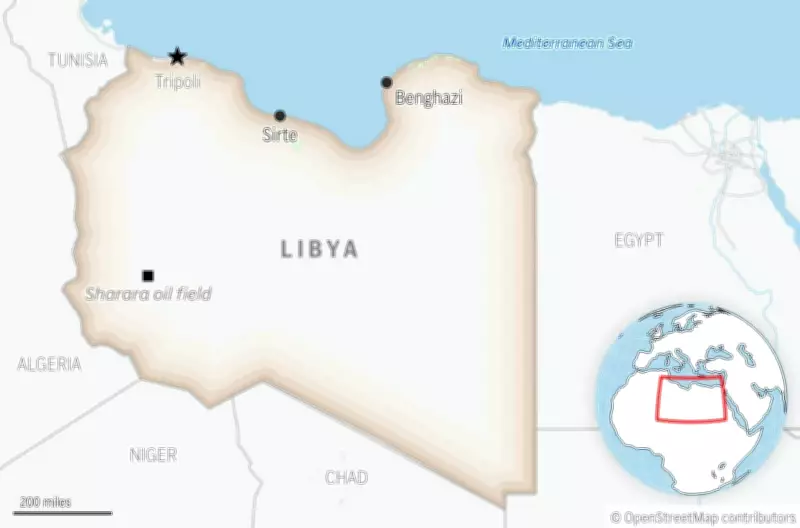
The tanker, which was flying the Russian flag, erupted in flames under circumstances that are still under investigation. The fire quickly spread, leading to the vessel's eventual sinking. Maritime authorities have not yet released specific details regarding the cause of the fire or the exact location of the incident, but it is confirmed to have happened in waters near Libya, a country with a capital in Tripoli.
This event underscores the persistent dangers faced by commercial shipping in volatile areas. Oil tankers, in particular, carry substantial risks due to their flammable cargo, and such accidents can have severe ecological consequences if oil spills occur.

Potential Implications and Regional Context
The sinking of the Russian tanker adds to a history of maritime incidents in the Mediterranean and North African waters. Libya has experienced political instability and conflict in recent years, which can complicate rescue and response efforts. The aftermath of this disaster may involve:
- Environmental assessments to check for oil pollution.
- Investigations into safety protocols and vessel conditions.
- Discussions on international maritime regulations.
As global trade relies heavily on sea routes, incidents like this highlight the need for enhanced safety measures and emergency preparedness. The response from Russian and Libyan authorities, as well as international bodies, will be crucial in mitigating any fallout.
Looking Ahead
While the immediate focus is on containment and investigation, this event may prompt broader reviews of tanker safety standards and regional maritime cooperation. The full impact, including any casualties or environmental damage, remains to be assessed as more information becomes available.