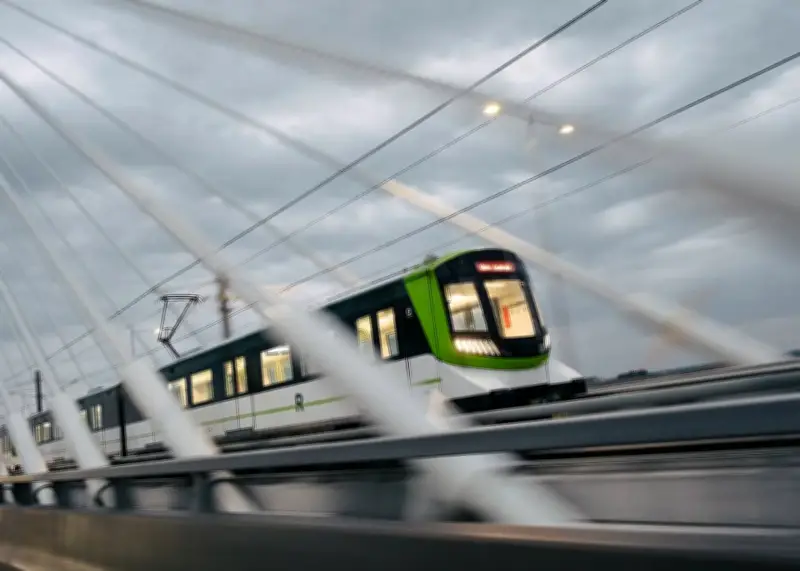
Montreal's REM (Réseau express métropolitain) service experienced a significant interruption during the afternoon rush hour on June 16, 2026, causing widespread delays for commuters. The disruption, reported at 3:53 PM EDT, affected thousands of passengers relying on the light rail network for their daily commute.
Details of the Interruption
According to officials, the service halt was triggered by an unspecified technical issue. While the exact cause remains under investigation, REM operators confirmed that trains were temporarily stopped along several key lines, stranding passengers at stations and forcing many to seek alternative transportation.
This is not the first time the REM has faced operational challenges. Since its launch, the network has been plagued by occasional breakdowns and scheduling conflicts, drawing criticism from transit advocates who call for more reliable service.

Impact on Commuters
The afternoon rush hour is typically the busiest period for Montreal's transit systems, and the REM interruption compounded existing congestion on roads and buses. Many commuters reported delays of up to an hour, with some opting to work remotely or leave early to avoid the chaos.
One passenger, Marie-Claude Tremblay, described the scene as chaotic. “I was stuck at Gare Centrale for nearly 45 minutes with no updates. It’s frustrating because we depend on this service to get home.”
Response from Authorities
REM management issued a statement apologizing for the inconvenience and confirmed that technicians were working to resolve the issue. They advised passengers to check real-time updates via the official app and social media channels for service restoration timelines.
Montreal's transit authority, STM, announced that additional bus shuttles were deployed to assist affected riders along the REM corridor. However, the alternative service was quickly overwhelmed by the high demand.
Broader Context
The disruption comes amid ongoing debates about Montreal's public transit infrastructure. The REM, a $6.3 billion project, was designed to alleviate traffic congestion and reduce carbon emissions. However, critics argue that frequent service interruptions undermine its reliability and long-term viability.
Transportation analyst Jean-Pierre Dubois noted that such incidents highlight the need for robust contingency plans. “As cities invest in modern transit, they must also ensure operational resilience. A single point of failure can cascade into major disruptions.”
Service resumed later that evening, but the incident has reignited calls for improved maintenance and transparency from REM operators.