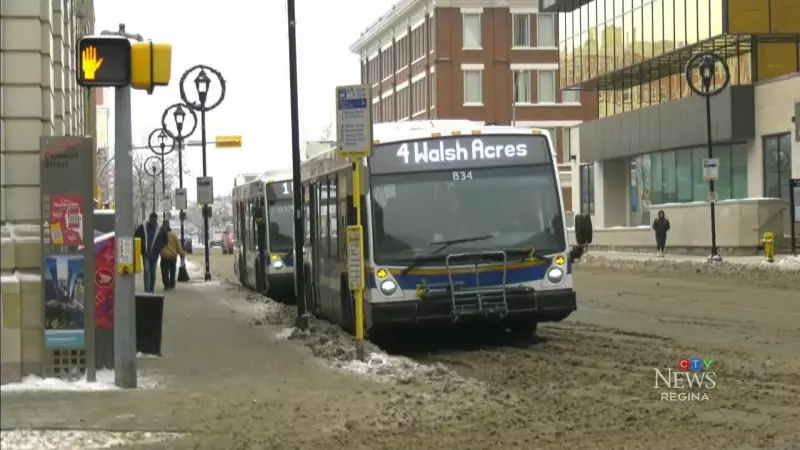
Residents of Regina will experience significant changes to their public transit system in the coming year, with the city set to implement new security measures alongside an increase to bus fares starting in 2026.
New Security Protocols for Safer Commutes
The planned enhancements for Regina Transit focus squarely on improving safety for passengers and operators. While specific details on the nature of the security personnel or technology are still being finalized, the move signals a direct response to growing concerns about safety on public transportation networks across Canadian municipalities. The initiative aims to create a more secure environment, encouraging greater ridership by addressing a key barrier for many potential users.
Fare Adjustment Set for 2026
Accompanying the security rollout will be an adjustment to transit fares. The bus fare increase is scheduled to take effect in 2026. This decision is typically made to help offset rising operational costs, which can include everything from fuel and vehicle maintenance to the new investments in security infrastructure and personnel. City councils often face the challenging task of balancing service improvements with the financial burden on riders.

These twin announcements—security and fares—are commonly linked in municipal transit planning. The additional revenue from fares is frequently earmarked to fund service upgrades, including safety initiatives. For Regina taxpayers and daily commuters, this means the cost of using the bus will rise, but with a promised return in the form of a more robust and protected transit experience.
Broader Context and Next Steps
The changes in Regina reflect a national trend where cities are grappling with the dual pressures of maintaining affordable transit and ensuring it is safe and reliable. As 2026 approaches, residents should expect more detailed communications from the city regarding the exact amount of the fare increase, the types of security to be deployed, and the official implementation timeline.
Public engagement sessions or council meetings where the specific bylaws or budgets are approved will offer opportunities for citizen feedback. For now, commuters are advised to begin planning for adjusted transportation budgets in the new year of 2026 and to stay informed through official city channels as more concrete details emerge.