

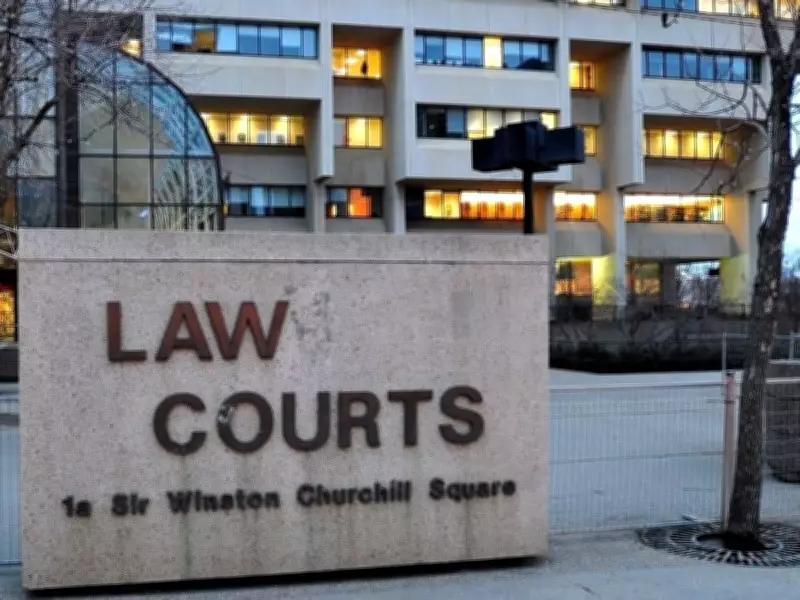
The Critical Need to Preserve Alberta's Constitutional Balance
In recent years, the global landscape has shifted dramatically, moving away from predictable patterns and established norms that once provided stability. This transformation has significant implications for governance structures everywhere, including right here in Alberta.
A Foundation of Institutional Strength
Canada's governmental framework has long been admired internationally for its robust institutional balance. Our courts, executive branch, and legislative bodies operate in complementary harmony, creating a system that avoids the sectarian conflicts and organizational chaos plaguing many other nations. This equilibrium represents a cornerstone of our democratic resilience.
As legal professionals and citizens, we must recognize that this delicate balance cannot be taken for granted. The constitutional separation of powers provides essential checks and balances that protect democratic principles and individual rights.

Recent Tensions in Alberta's Governance
Several recent developments have highlighted growing tensions within Alberta's governmental framework. On January 23, Premier Danielle Smith communicated directly with the federal government regarding judicial appointments, stating Alberta would not fund new judicial positions without collaborative involvement in the selection process.
Just four days later, two new federal judicial appointments were announced for Alberta. On that same day, Alberta's courts issued an unusual public statement emphasizing that "a properly functioning democracy requires three separate branches of government that exercise their power and authority independently according to the Constitution."
Growing Concerns from Legal Experts
The legal community has expressed increasing concern about potential erosion of institutional boundaries. A group of Camrose lawyers, including two former justice ministers, recently published an open letter criticizing several governmental actions:
- Alterations to the chief electoral officer's authority
- Multiple invocations of the notwithstanding clause within a short timeframe
- Provisions insulating the Justice minister from potential Law Society sanctions
- Suggestions questioning judicial impartiality
These developments have raised important questions about maintaining proper separation between governmental branches.
The Essential Distinction Between Roles
Chief Justice of Canada Richard Wagner articulated this fundamental principle clearly in a 2020 opinion piece that remains profoundly relevant today. He emphasized that judges and politicians occupy distinct constitutional roles with equal importance in our democratic system.
"Judges are not politicians. Politicians are not judges. We are equal. We are meant to keep each other in balance. And, throughout our nation's history, we have done so," Wagner wrote, highlighting the essential equilibrium that safeguards Canadian democracy.
Preserving Alberta's Democratic Framework
Those working within Alberta's governmental institutions—whether in judicial, executive, or legislative capacities—bear particular responsibility for maintaining this constitutional balance. As legal professionals and public servants, we must remain vigilant against any erosion of these foundational principles.
The current moment demands renewed commitment to the separation of powers that has served Alberta and Canada so effectively. If we have strayed from this established path, collective effort is required to restore the equilibrium that protects democratic governance for all Albertans.
Our constitutional framework represents more than abstract principles—it provides the practical foundation for justice, stability, and effective governance that benefits every resident of the province.






