Ottawa's Pothole Epidemic: A Surface Solution to a Deep Problem
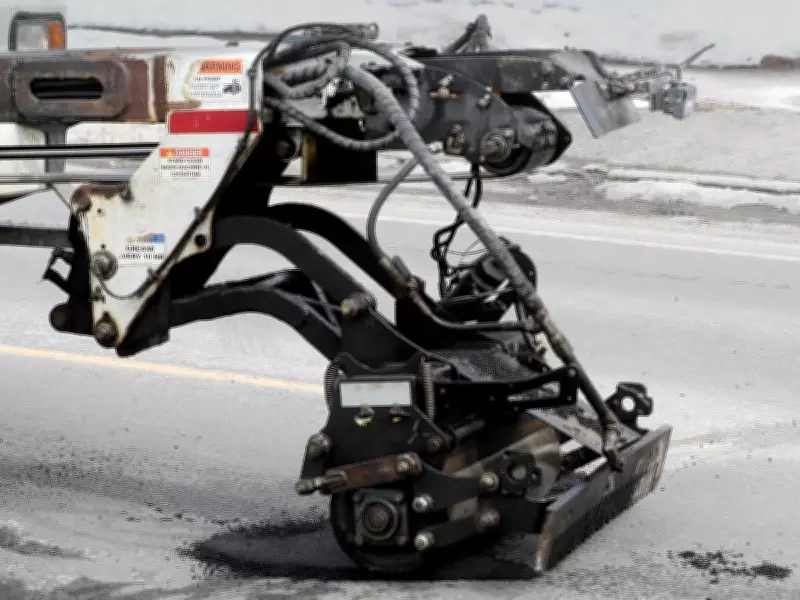
The City of Ottawa is grappling with a staggering 250,000 documented potholes across its 6,000-kilometer road network, averaging one pothole every 24 meters. While municipal officials have turned to rental equipment like the Python 5000 pothole-patching machine for temporary repairs, this approach merely addresses symptoms while ignoring fundamental flaws in road construction and material quality.
The Python 5000: A Temporary Bandage
Ottawa spends approximately $400,000 annually to rent two Python 5000 machines for several months, enabling crews to fill roughly 50,000 potholes—about one-fifth of the city's total. This single-operator contraption represents an engineering marvel in efficiency, allowing rapid asphalt application to damaged road sections. However, this mechanized solution distracts from more pressing questions about why Ottawa's roads deteriorate so quickly and what could be done to extend their lifespan substantially.
The Real Culprit: Untested Asphalt Quality
Queen's University professor and asphalt researcher Simon Hesp has long argued that premature road failure stems not primarily from Ottawa's harsh freeze-thaw cycles, but from inadequate verification of asphalt composition. "Test what comes out of the paving equipment for the correct properties," Hesp insists. "It's a no-brainer, isn't it?" His research suggests municipalities should implement rigorous testing of the actual asphalt applied to roads rather than relying solely on pre-construction specifications or assuming contractors meet established standards.

The Baking Analogy: Ingredients Versus Performance
Anthony Simmons, construction manager with Kingston's engineering department, offers a compelling comparison: Testing asphalt resembles baking a cake. While one can verify that batter contains proper ingredients like flour, sugar, milk, and eggs, the true test comes in evaluating whether those ingredients perform their intended functions effectively. For asphalt, the critical component is bitumen—the petroleum-based binding agent that determines flexibility and crack resistance.
"Testing doesn't necessarily improve the asphalt," Simmons explains. "The testing ensures that the contractors are not misbehaving." When contractors know municipalities will recover asphalt samples from completed roads and conduct performance tests—with failures potentially requiring complete redoing at contractor expense—they become significantly more motivated to deliver quality materials from the outset.
The Cost of Complacency
Ottawa's current approach creates a cycle of temporary repairs that ultimately costs taxpayers more through:
- Repeated equipment rentals and labor expenses
- Vehicle damage and safety hazards for drivers
- Accelerated road deterioration requiring more frequent reconstruction
- Missed opportunities for longer-lasting infrastructure investments
By implementing comprehensive asphalt testing protocols, Ottawa could transform its transportation network from what some describe as a "minefield" of potholes into durable infrastructure capable of withstanding environmental challenges. This proactive approach would shift focus from reactive pothole patching to preventive road construction, potentially saving millions in maintenance costs while providing safer, smoother travel for residents.