

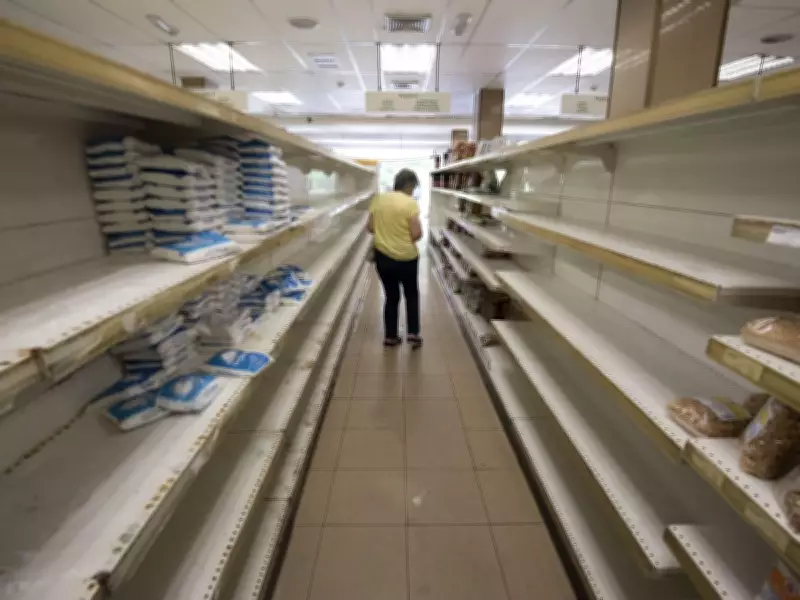
Public Grocery Stores Face Economic Hurdles Despite NDP Push
NDP Leader Avi Lewis's proposal for a network of state-run supermarkets has reignited debates about government intervention in private enterprise, with Toronto city council recently voting to green-light a pilot project for four municipal grocery stores. This initiative follows Canada's long history of costly government ventures into private sectors, from Air Canada to Petro-Canada, which have often provided minimal consumer benefits.
The Promise Versus Reality
Lewis argues that "a public option for groceries would reduce the cost of food and create thousands of good-paying jobs," while Toronto's motion suggests a not-for-profit model could offer residents "the most affordable food pricing possible." However, economic realities present significant challenges. Supermarkets already operate on tight profit margins, typically ranging from two to six percent among major chains like Walmart, Costco, Loblaw, and Metro.
The theory behind public grocery stores is that eliminating profits could pass savings to consumers. Yet, according to the Daily Bread Food Bank, which supported Toronto's motion, maximum theoretical savings would be just $11-$18 per person monthly, likely less after operating costs. This minimal impact is unlikely to significantly improve affordability for food-insecure households without additional subsidies.

Competitive Disadvantages
Public grocery stores face inherent competitive disadvantages. Four municipal outlets, or even a nationwide chain of 50, cannot match the purchasing power of retail giants like Walmart and Costco, which leverage bulk buying for their extensive networks. These private retailers have spent decades developing supplier relationships and private labels that often cost significantly less than name-brand products.
Furthermore, state-run grocers would be subject to political pressures absent in the private sector. Lewis promises stores would be "staffed by unionized workers and follow Good Food purchasing guidelines based on key values including local economies, health, valued workforce, animal welfare, and environmental sustainability." While socially commendable, these requirements could increase operational costs and complicate efficiency.
Historical Context and Skepticism
Canada's track record with government-run enterprises provides little encouragement. From the CBC to various crown corporations, many ventures have struggled with efficiency and consumer value. Critics argue that public grocery stores would likely mirror these patterns, offering limited selection and higher prices similar to provincial liquor stores rather than improving the shopping experience.
The proposal emerges amid ongoing concerns about food affordability, yet experts question whether public models can genuinely address systemic issues. With supermarkets already operating on slim margins, the potential for public stores to undercut prices without substantial subsidies appears limited, raising doubts about their viability as a solution to food insecurity.






